Mar 2, 2026
The only thing you have to fear is fear itself. And public speaking.
I heard once that the greatest fear in the world is public speaking. Followed by spiders and snakes, and then death. Interesting. Based on this sequence, we would rather be in the casket covered in spiders and snakes than give the eulogy.
It is logical to assume that fear is learned. We aren’t born with it. As a child, we grow into experience and, along the way, we manufacture our fear. We label it and then assign a degree of influence when it shows within our lives. At some point, we develop an ongoing rational or irrational momentary emotional response to a person, place, thing, or situation. Consider then, do we fear a thing or do we fear being afraid?

Any fear is always worse than the thing itself.
That’s the big “aha” (a.k.a. take-away) regarding fear. Fear can absolutely get the better of us. Ah, but is it really fear or is it a phobia? They’re not the same thing. Fear is a rational, temporary emotional response to real or immediate danger in the moment. Whereas a phobia is an intense, irrational, and persistent fear of a specific object or situation disproportionate to the actual danger and can be felt at any time.
Think about when we are working with customers or team members, are we afraid of people, or are we fearful and anxious when we interact with others? One is Anthropophobia, the intense, irrational, and persistent fear of people often manifesting as extreme social anxiety, and the other is conversational anxiety. The latter is very common and activated because we fear judgment, criticism, and not meeting our potential. In addition, we can fear failure. We may fear when we lack confidence, and we usually fear not having control. We can have a fear of the unknown, uncertain, and the unexpected. We doubt ourselves, and that creates fear. The list goes on. But…what would be possible if we had no fear?
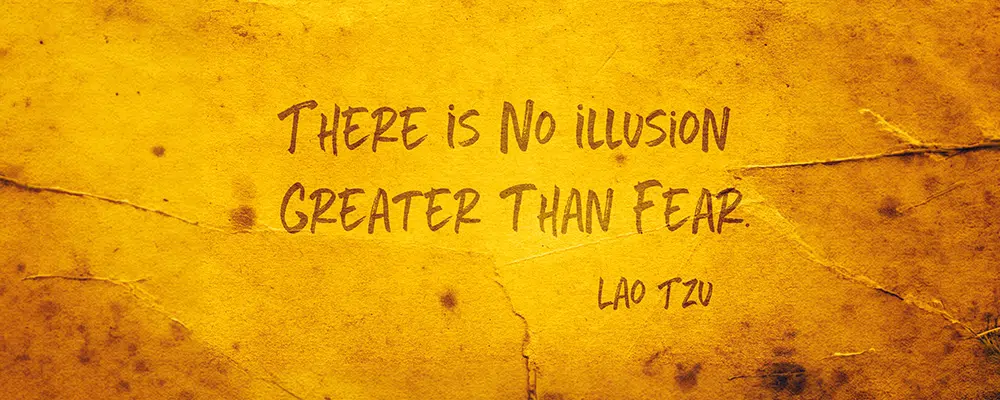
The only thing worse than fear is regret.
Regret for lost opportunities. Let’s be real, no one likes fear or feeling afraid, and yet its very existence reminds us we are not only alive, but in the game. Fear opens the door to experience, resiliency, and creativity which stimulates us to make the most out of opportunities.
So, how do we flip the fear factor?
First off, name it. Recognize when it occurs, identify the triggers, and go deep for the root cause. After that, ask if “the fear” is truly based on facts or just some false narrative we’ve made part of our story. Then, shift the perspective. Focus on reframing fear as a growth opportunity. And then, most importantly, act even when feeling it. Don’t get stuck. Keep moving. Use fear. Learn from it and let it refine you. Remember, courage is not acting without fear, it’s acting in spite of it, in the midst of it.

Fear is a messenger, not a prophet
I wholeheartedly believe that fear should be treated as a signal rather than a prediction. The former highlights something to pay attention to while the latter shapes an outlook for the future. Fear stimulates our awareness in a moment and brings with it a message that needs to be unpacked. More times than not, we can tend to see it as something that creates a focus on the future…and we can feel afraid. The thing is that fear is not a “prophet” because it does not, with 100% accuracy, tell the future.
When we engage in our day, we need to acknowledge that fear is a message for us to pay attention. To not lose sight or focus on what’s important. Even in spite of our fear. And to pay attention to what we have going on inside us and all the stuff outside of us that can shape our decisions. Just because we are afraid doesn’t mean we will “undoubtedly” fail and not accomplish great things.
From what I have learned over time, fear is a detour, not a dead end. So, embrace fear. Because there’s fear in a moment, and fear of a future. One provokes action and the other promotes getting stuck. Where will fear lead you when you face it? Not if… but when.
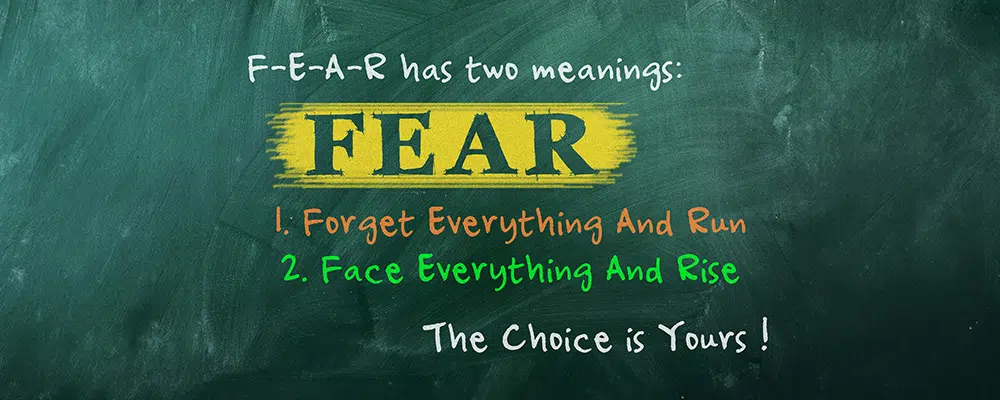
If you’re interested in embracing fear and letting it refine you, consider the following questions.
- Define fear.
- When it shows up, what does it look like – sound like – feel like?
- Where does it typically show up?
- What are the triggers?
- Does it manifest with specific people, places, things, or situations? Why?
- What needs to happen to change the face of fear?
- Think of a time when fear changed you for the better. What happened?
- What’s possible if you had no fear?
Want to read more? Read our other Blog Posts!

Feb 26, 2026
Samsung’s first major event of the year has officially set the tone for the mobile industry. Samsung Unpacked 2026, held on February 25 in San Francisco, delivered the long‑anticipated reveal of the Galaxy S26 lineup, showcasing Samsung’s continued push into AI‑powered experiences, refined hardware, and a more connected Galaxy ecosystem.
A New Generation of Galaxy Devices
The spotlight centered on three flagship models: Galaxy S26, Galaxy S26+, and Galaxy S26 Ultra. Each device arrives with refreshed designs, upgraded camera systems, next‑gen chipsets, and improved battery performance, marking one of Samsung’s most cohesive lineup updates in recent years.
Samsung emphasized that this generation represents “The next evolution of the ever‑expanding Galaxy ecosystem,” signaling deeper integration across phones, wearables, and AI‑driven software.
What Samsung Announced at Unpacked
1. Galaxy S26 Series Reveal
The S26 family made its official debut with a focus on performance, imaging, and AI enhancements. Despite earlier rumors suggesting the base model might be phased out, Samsung confirmed the standard Galaxy S26 remains part of the lineup, offering a more accessible entry point into the flagship experience.
Key expectations highlighted during the event coverage included:
- A refreshed industrial design across all models
- Upgraded camera hardware and computational photography
- The world’s first Integrated/Built-In Privacy display on S26 Ultra
- New chipsets delivering faster performance and improved efficiency
- Samsung’s largest vapor chamber ever for advanced thermal performance
- Larger or more efficient batteries for longer daily use
2. Galaxy AI Takes Center Stage
AI was a recurring theme throughout the keynote. Samsung teased new Galaxy AI features leading up to the event, and Unpacked confirmed deeper intelligence woven into the S26 experience, from enhanced photo processing to smarter device‑to‑device interactions.
Live coverage also pointed to “Galaxy AI surprises,” suggesting new capabilities that elevate productivity, creativity, and personalization across the lineup.
3. A Broader Ecosystem Push
While the S26 series was the star, Unpacked also hinted at additional product announcements, including new wireless earbuds and software updates like OneUI 8.5. These additions reinforce Samsung’s strategy of building a seamless ecosystem around its flagship phones.
Event Atmosphere and Industry Impact
Unpacked 2026 carried the energy of a major milestone event. Reporters from Engadget, PCMag, Mashable, and others covered the keynote live, underscoring the significance of Samsung’s first flagship launch of the year.
The event’s timing positions the Galaxy S26 series as a benchmark for competitors. With AI‑driven features, refined hardware, and a maturing ecosystem, Samsung is clearly aiming to shape consumer expectations for the year ahead.
What This Means for Consumers
For current Galaxy users, the S26 lineup represents a meaningful upgrade path with improvements across performance, battery life, and camera capabilities. For new customers, Samsung’s commitment to AI and ecosystem integration makes the S26 series a compelling entry point into the Galaxy world.
As pre‑orders and carrier promotions roll out, the S26 family is poised to become one of the most influential smartphone releases of 2026.
Learn more about the Samsung Galaxy S26 on our product page.
Want to read more? Read our other Blog Posts!
Feb 2, 2026
I’ve got a deadline.
Ever have a distinct deadline? The time when we had to complete something targeted by a certain date in a week or month. Even writing this, I typically must get my blog article done by the last day of the month, so that the marketing team can post it on the first Monday of the next month.
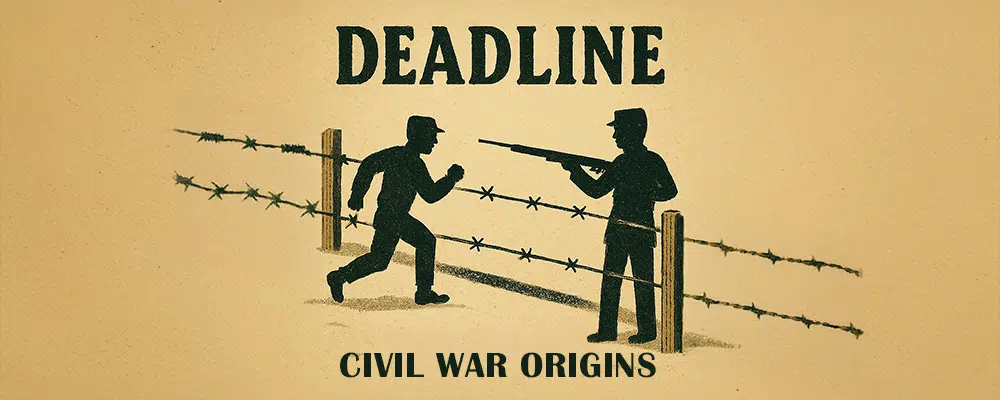
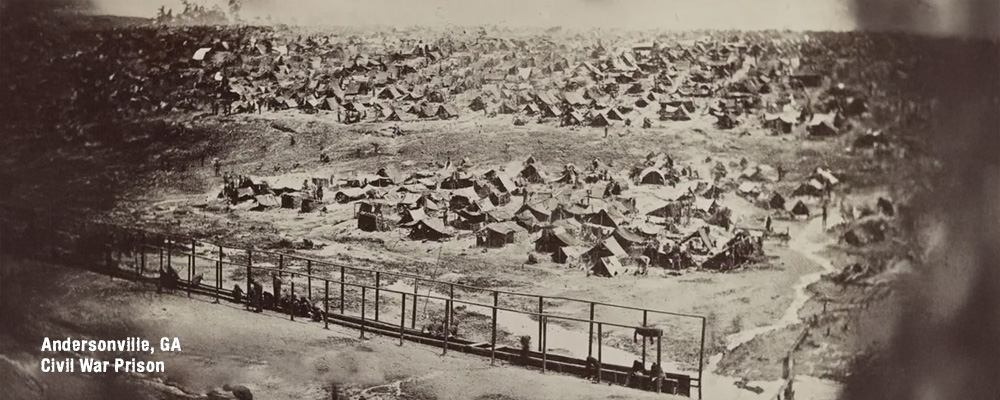
The word ‘Deadline’ seems overtly harsh. If you look at the origin of the word, it makes sense. It originated during the American Civil War, specifically at the infamous confederate Andersonville prison. You see, there was a boundary line that wrapped around the prison camp…part literal, part figurative…and if any prisoner crossed over that line, they would be shot. Hence, the “dead line”.
Therefore, it is no wonder why there can be perceived unease and anxiety associated with getting close to any deadline. It can even spark fear of not making the date. We can ‘sweat’ getting things done with a deadline, by a deadline, under a deadline, or past a deadline.
Does every plan require a deadline?
If we are discussing certain specific projects or initiatives, then yes. Some plans have fixed, rigid deadlines with exact structure, time-sensitivity, or potential expectations from others or for others. Some do not. In fact, some of the most common this time of year are personal goals or self-directed goals that involve more flexible or ongoing plans without being bound by hard, unchangeable deadlines.
So, maybe the better question is “What’s the why behind my plan?”
Because whether our plan has a deadline or not, every plan starts with a reason for being. And any proposed deadline plays a part in that bigger purpose. Most plans do not require a deadline, but every plan must have a purpose.
Plans require what exactly?
Well, as aforementioned, a purpose is critical. From there, it depends on the path between where we are and where we want to go. Said another way, a desired strategic outcome (plan) will always be dictated by relative tactical means (situational and improvisational responses). The military has a name for this, Commander’s Intent. The simple meaning is that the desired objective never changes, however the means to achieve it will always be dependent on the current circumstances. In other words, plans will change based on what the leader sees in real time and as the battle variables unfold.
Plans are great until after you start.
Let’s add another consideration to Commander’s Intent. I have written about preparation before and alluded to the necessity of having a plan. I have touched on various things that go into a plan. I always recall these two quotes about plans. One from Dwight D. Eisenhower, “Plans are worthless, but planning is everything.” And the other from Mike Tyson, “Everyone has a plan until they get punched in the face.” Either one…they suggest planning is key, until you get into the thick of it. Plans become worthless once the unknown and adversity hits, and true success comes from the ability to adapt to unexpected challenges in real-time.
So, let’s be real, if you have a plan in place with a firm deadline in mind, or it’s a fluid and adaptable idea, how will you know you are there? Are you at a place you need or want to be? Obviously, having met a deadline means we met the time requirement. That is good. But what about everything else that makes up the purpose, plan, and performance? Sometimes, our mindset outpaces time and deadlines.
I wonder what was going on in the mind of the union soldier in 1864. “I understand what can happen if I cross the dead line. But the bigger thing for me is… I’m stuck in a prison camp.”
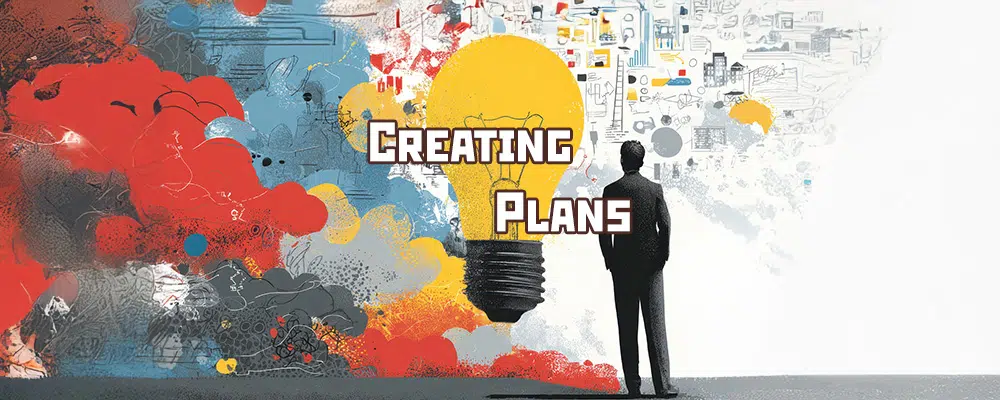
If you’re interested in creating a plan, consider the following questions.
- Reflect on a recent plan. Make note of all the components. How did it go?
- Think of a current plan – either being made or already made – Why that plan?
- What are all the ingredients for this plan?
- What is essential to complete this plan?
- Who else is involved? What and how do they contribute?
- In what ways will you track/measure progress and success?
- How will you know you have fully moved from “to-do” to “done”?
- How much time do you “really” give yourself to achieve the goal? What’s your deadline?
Want to read more? Read our other Blog Posts!
Jan 2, 2026
New Year, New Me.
Every year, I believe, we wake up embracing a New Year, and then immediately think it’s a start over. Clean slate. Fresh start. Square one. Blank page. Maybe even new beginning, or new ending for that matter. Yeah, it’s new. But every day represents new opportunity to do something extraordinary. The thing is, it doesn’t take a December 31st and January 1st to provoke some magical pivot. We carry all our past, current, and future into 12:01 A.M.
As far as the calendar year goes, we do step into a brand-new year. And it may very well be a time when we reflect on the past twelve months and consider what to do next; be it different, more of the same, amplification, and maybe even a complete 180. It is also a time when we may seek some insight and advice from others as we consider our plan for the year ahead.
A good time for advice.
I recently received a subscribed email from one of my favorite thought leaders, Dan Pink. In it, he highlighted his take on some bad advice. In his vlog, Life Advice That Sounds Good, But That Will Destroy You, he shared five common pieces of advice we often get from others and his reasoning why they are not good for us. I figure now is a very good time to contemplate their meaning and intention as we make potential resolutions or commitments to get “better” in 2026.
You can be anything you want to be.
Think about this one. Can you really be “anything”? Pink suggests, “Try lots of stuff. Experiment. Play around with different skills, subjects, and areas. By all means, pursue your dreams. If you’re both open-minded and hard-headed, though, you’ll learn you can’t be anything. But you can become really good at a few things.” Bottom line, I would worry less about being or doing anything and just focus on where you already have skills and abilities.

It’s not what you know, it’s who you know.
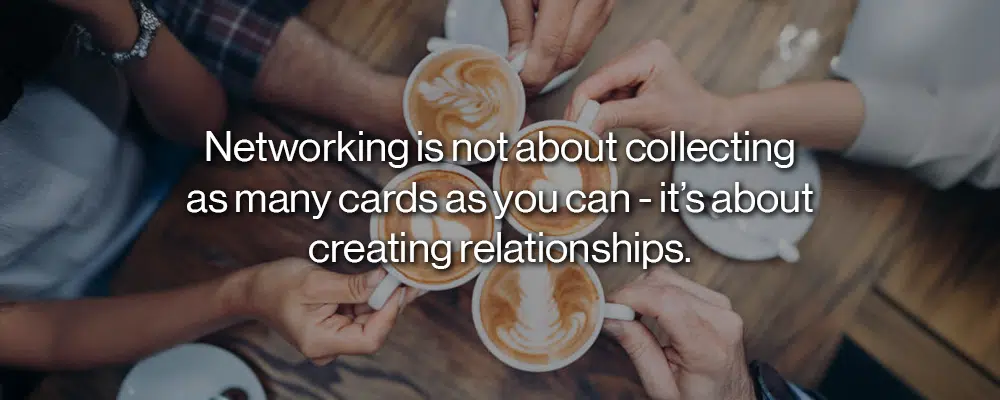
I remember starting my consulting career and a “mentor” telling me how the critical part of starting a business is the importance of networking. And I don’t disagree with the power and influence of working it. I also came to realize if what we do isn’t creating any impact, no one will be interested. Pink shares, “Who you know is the byproduct, not the strategy. The real strategy is what you do. If you do excellent work, if you keep your promises, if you treat people well, the right people will usually find their way into your orbit. So, don’t waste time collecting contacts like Pokémon cards. Waste them getting good at something real. Because when you do, the who you know part often takes care of itself.” Just get good at what you do. The networking connection will naturally follow.
Follow your passion.
All the “motivational gurus” say that “Do what you love, and you will never work a day in your life”. I agree and don’t. I believe you will have a sense of joy and fulfillment, and still work, and it won’t always be easy-peasy. Pink’s call to action is “Forget about following your passion. Instead, watch what you do, find a torture you can tolerate, and discover what you can contribute to the world.” I would add, passion and purpose may not always be obvious, clear, or easily discerned. It may take trial, effort, and time. So, make it about the journey and not the destination. Keep following your curiosity and intuition, your passion will show up.
Make a plan and follow it.
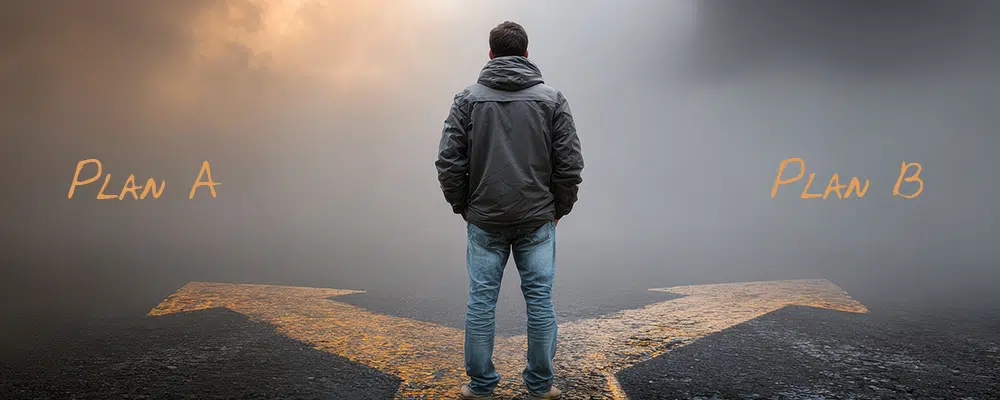
Not a bad idea. Except I wonder how many of you have started with a plan only to quickly realize it needed to change as soon as you started. Pink states, “When we look at people who’ve achieved, who’ve gone from one point on the success chart to a much higher point on the success chart, we think the path there was smooth and carefully planned. But in almost every case…they revised and experimented their way to becoming great.” Simply put, embrace the goal and then accept that the ways and means to achieve the goal will always change. Know the ‘why’ and the ‘how’ will follow.
Always be positive.
Pink tells us, “We want to be positive most of the time. And yet, we shouldn’t always be positive. Negative emotions are instructive. They clarify the world, teach important lessons. Frustration nudges us to figure out alternative paths forward. Regret helps us learn from our mistakes and do better next time.” I contend positivity should never be exclusive of negativity and vice versa. We need both and in varying degrees at different times. Because leveraging both helps us to achieve more. And isn’t that what we do as we step out of one year and into the next. We bring both together to move forward. Advice and Correction.
Listen to advice and accept correction, in the end, you will be wise.
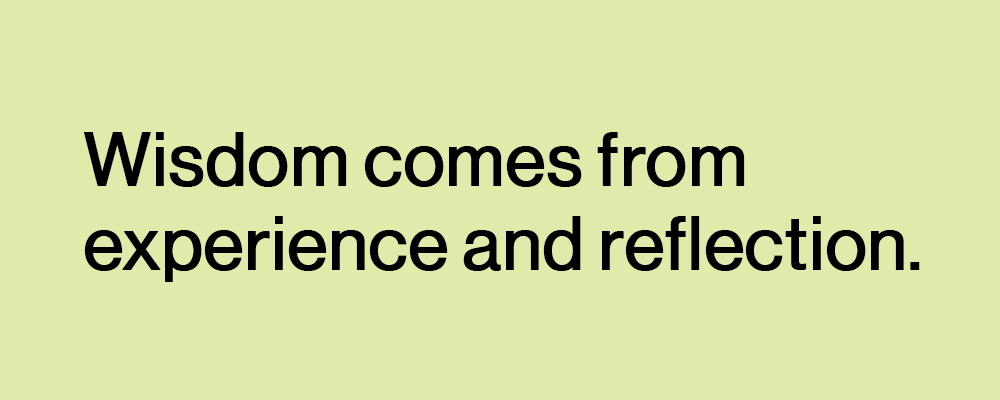
This is a popular paraphrase of the biblical verse Proverbs 19:20, emphasizing that embracing guidance and discipline leads to wisdom. And isn’t that the way we want to step into the new year – with a little wisdom. Wisdom comes from our reflection. We seek insight, ideas, and inspiration into who we are striving to be, what we need to do, and how we move forward. And it comes from experience. We also consider the discernment required in the change, flexibility, perseverance, and acceptance that follows.
The wisdom found in the resolutions and commitments isn’t born of the aspirations. It’s realized in knowing what we do and doing what we know. So, my advice, enjoy the journey. Happy New Year!
If you’re interested in reflecting on the year and finishing strong, consider the following questions.
- Asking this again from last month, how would you assess your year in review?
- Consider the gap between where you’ve been and where you want to go, what’s the most obvious next step?
- What are you already good at and could take a bit further?
- Where do you find passion? What things bring you joy?
- How do you construct plans? What do you typically do when those plans change?
- In what ways do you leverage your positivity? And negativity?
- How would rate your adaptability?
- Who has given you “good advice”, what was it, and how did you do with it?
Want to learn more? Read our other Blog Posts!
Dec 1, 2025
Are we there yet?
The last month of the year is naturally a time to consider the year in review. Think about all the ideas and aspirations at the beginning. Maybe we made specific resolutions. Maybe we had a thing we wanted to build out and see through to the end. Maybe it was something we adjusted and had to flex because the projected outcome wasn’t what we thought. Maybe it was an issue or challenge that popped up out of nowhere. Maybe we thought it, did it, and it was awesome.

Regardless of what it was, or is, or could yet be, there comes a time when we assess our progress. We analyze what it’s been like, what’s happened, and what it’s like now. Have we kept to our goals and objectives? If so, how has it turned out? If not, what have we learned?
Time for reflection.
A year-end reflection is a process of looking back at the past year to evaluate accomplishments, challenges, and lessons learned, which helps us to understand ourselves better. It makes sense of our experiences by reviewing what went well and what didn’t, identifying key relationships, and recognizing areas for improvement. It guides us toward our goals for the future, even if they are immediate and a couple of weeks or so away from being realized.
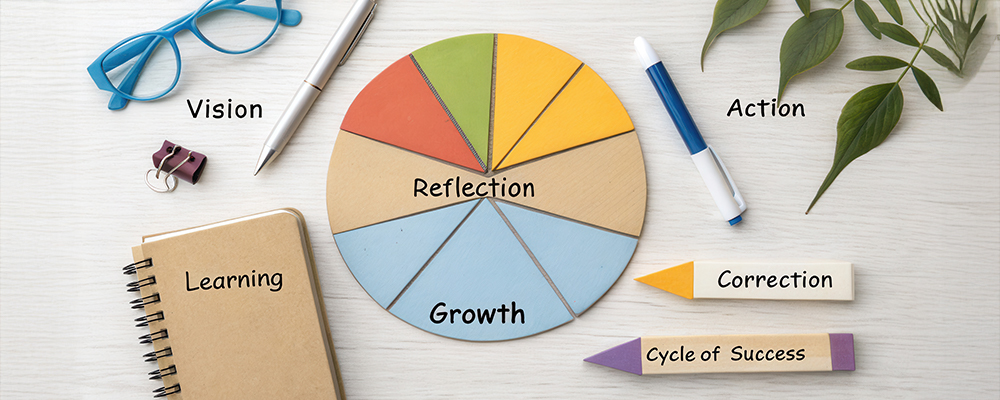
Here’s something you and I can do. Make a list of all the things from the start; all the things we wanted to accomplish. Create a list with columns like initial thoughts, those involved, milestones, obstacles, outcomes, and what remains. Contemplate what we thought would happen and what actually did happen, and the gaps in-between. That’s where the real learning resides…in the gaps. Own the gaps and then make the decisions in moving forward.
Starting strong is good. Finishing strong is epic.
Robin Sharma shared that. Simply put, it’s not how we start, it’s how we finish. Because let’s be real, we all have great intentions in the beginning. The real impact is what we do as we continue to do our best with what we are given. Life is like a box of chocolates – we don’t know what we’re going to get. We respond accordingly and keep moving forward with every choice we make.
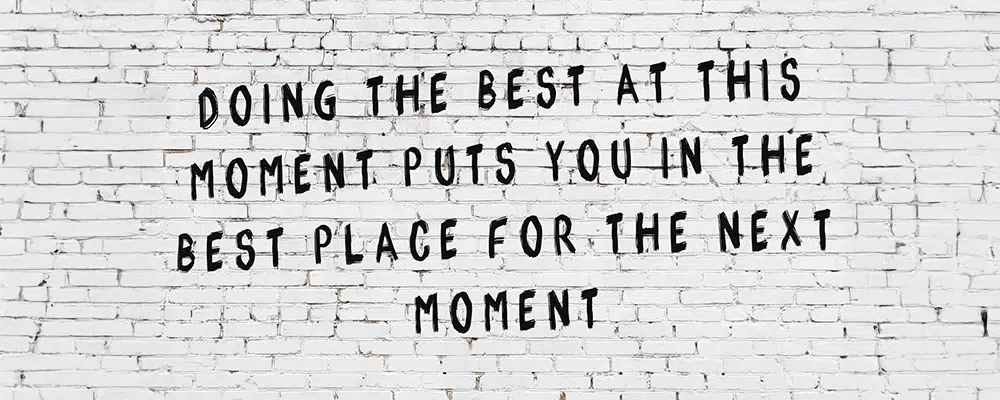
The past is gone, and the future has not yet happened, so the only moment that truly exists and is within our control is the present moment. Maybe that’s the secret sauce when we’re in the last month – that it’s doesn’t matter if we’ve met, failed to meet or even exceeded our goals and objectives from the year. What really matters is that we are fully, intentionally, and joyfully doing the best we can in the present moment.
The past does not have to play a part in the future.
Clearly the past will indicate where we’ve been, but it doesn’t have to dictate where we go next. And I wholeheartedly believe that is the critical part in finishing strong. As Carl Jung said, “We are not what has happened to us. We are what we choose to become.” It suggests that while our history is a part of who we are, especially in what has transpired in the past year, our future is determined by the conscious decisions we make to start, stop, continue, change, and grow forward right here, right now.
If you’re interested in reflecting on the year and finishing strong, consider the following questions.
- How would you assess your year in review?
- What represented your achievements and your failures? What did you learn from each?
- What changed? What stayed the same?
- Who benefited from your collaboration?
- How did you respond to adversity, chaos, and disruption?
- What specific things could you have done more of and less of?
- If you had to do the year over again, what would you do differently?
- And if someone watched your year in review, what would they have seen and said?
Want to learn more? Read our other Blog Posts!
Nov 3, 2025
Energy Is an Exhaustible Resource: How to Maintain Energy During the Retail Rush
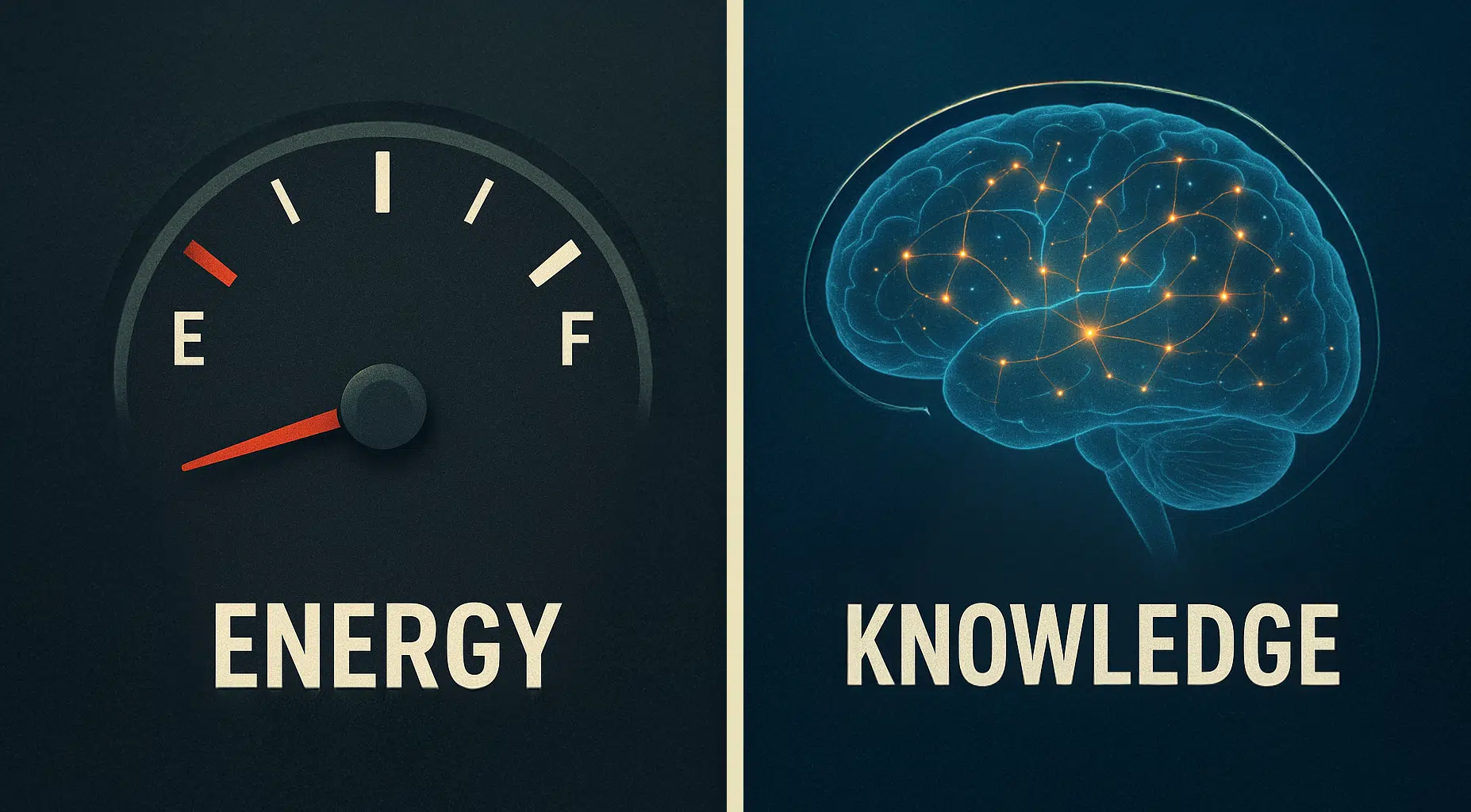
It’s often said that energy is like raw material; it’s exhaustible. “The more you use, the less you have.” In contrast, “Knowledge is a growing resource, the more you use, the more you have”.
Both ideas are at play during the busy, high-pressure retail sales season. While energy depletion is something every associate feels, the power of accumulated knowledge is often underappreciated and less discussed. During Q4, every fast-paced interaction, every customer conversation, and every creative solution you provide builds valuable experience, and that’s knowledge that fuels growth.
Energy, on the other hand, is what drives performance in retail. It is top of mind and on everyone’s radar throughout each day of the holiday season. Its focus seems mathematical. Knowledge is about addition, and energy is about subtraction. The reality is that when it comes to energy, enthusiasm, or any other variety of words like zeal, gusto, vigor, spiritedness, oomph, snap, and moxie; there’s only so much in the tank, and an empty tank affects everything.
Think of Energy as the Lifeblood of Retail
Energy is more than a physical resource; it’s the lifeblood of retail success. It’s what fuels great customer experiences, drives team engagement, and sustains motivation during long shifts and heavy traffic days. It’s what we bring to our job when we provide the best wireless experience to every customer, every time. Our energy represents a vital, life-giving, and even fun element that is essential for both the existence and success of what we do and how we do it.
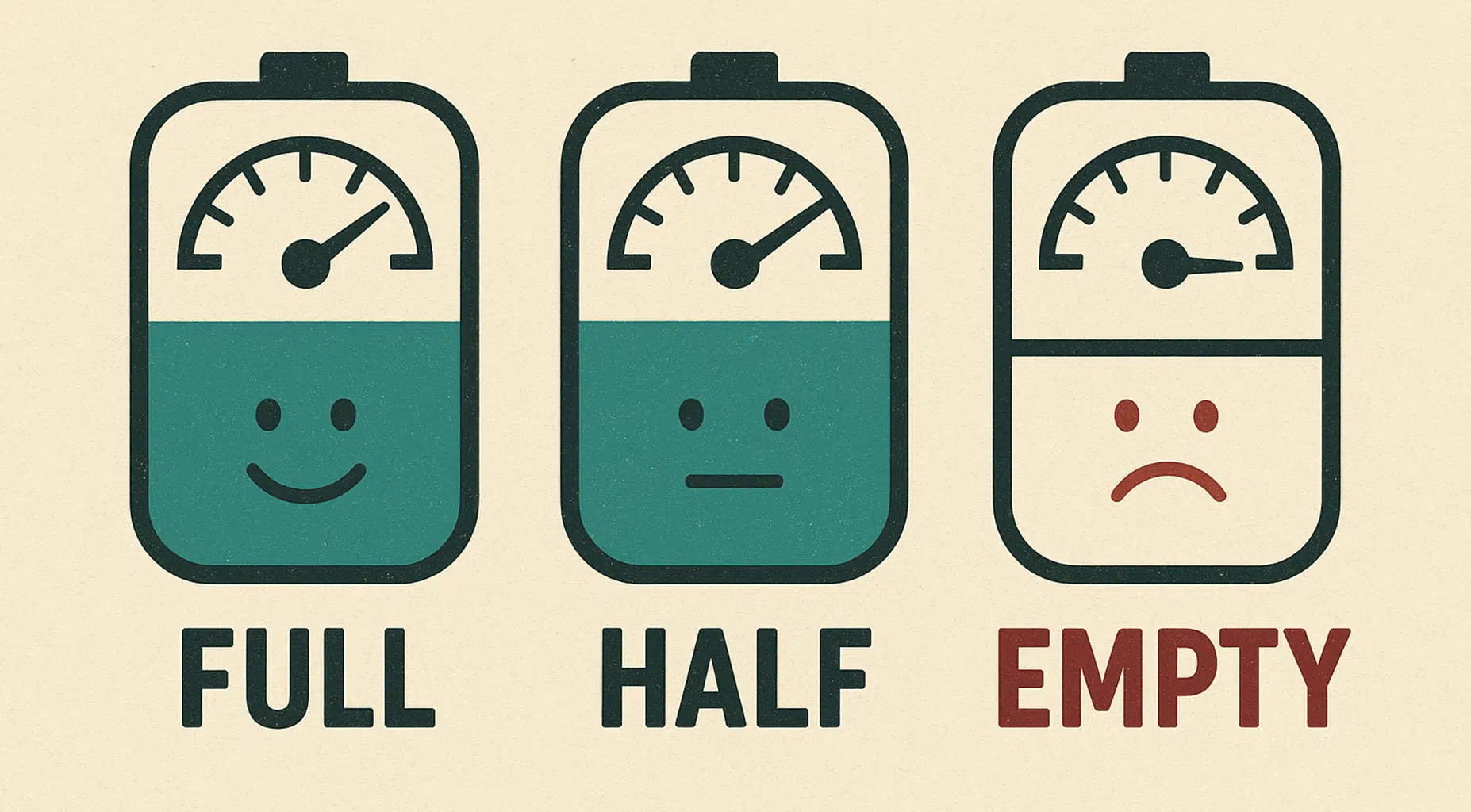
When your energy tank is full, tasks feel easier. Customer interactions flow naturally. You’re upbeat, motivated, and open to challenges. But when your energy runs low, every task feels harder. Conversations drag, enthusiasm fades, and frustration builds. Managing your energy effectively is key to staying productive, positive, and balanced, especially during the holiday shopping season.
Mind Your Energy Levels During Peak Season
Let’s be real, your energy levels will be tested during this time of year. You’ll feel tired, stressed, and maybe even overwhelmed. That’s normal. What matters most is how you protect and restore your energy.
You’re not perfect, you’re human. Pause, breathe, and consider three simple things during this busy time of year.
- Be Realistic About What You Can Do
There’s only so much time and energy in a day. Prioritize your most important tasks and focus on what truly moves the needle. Delegate when possible, and don’t get caught in the trap of trying to do everything at once. Remember the 80/20 rule. Focus on the 20% of effort that drives 80% of results. Yes, we have monthly targets, and all we have that requires focus and energy are the moments right in front of us. Simply put, take one step at a time, one moment at a time, one day at a time.
- Identify and Leverage Your Support Network
No one gets through the holiday season alone. Identify the people, systems, tools, and resources that can accentuate what we do and alleviate the questions and confusion in how we do it. A strong peer network not only lightens the workload but also recharges your motivation. Collaboration keeps energy flowing across the entire team.
- Fuel your Body and Mind
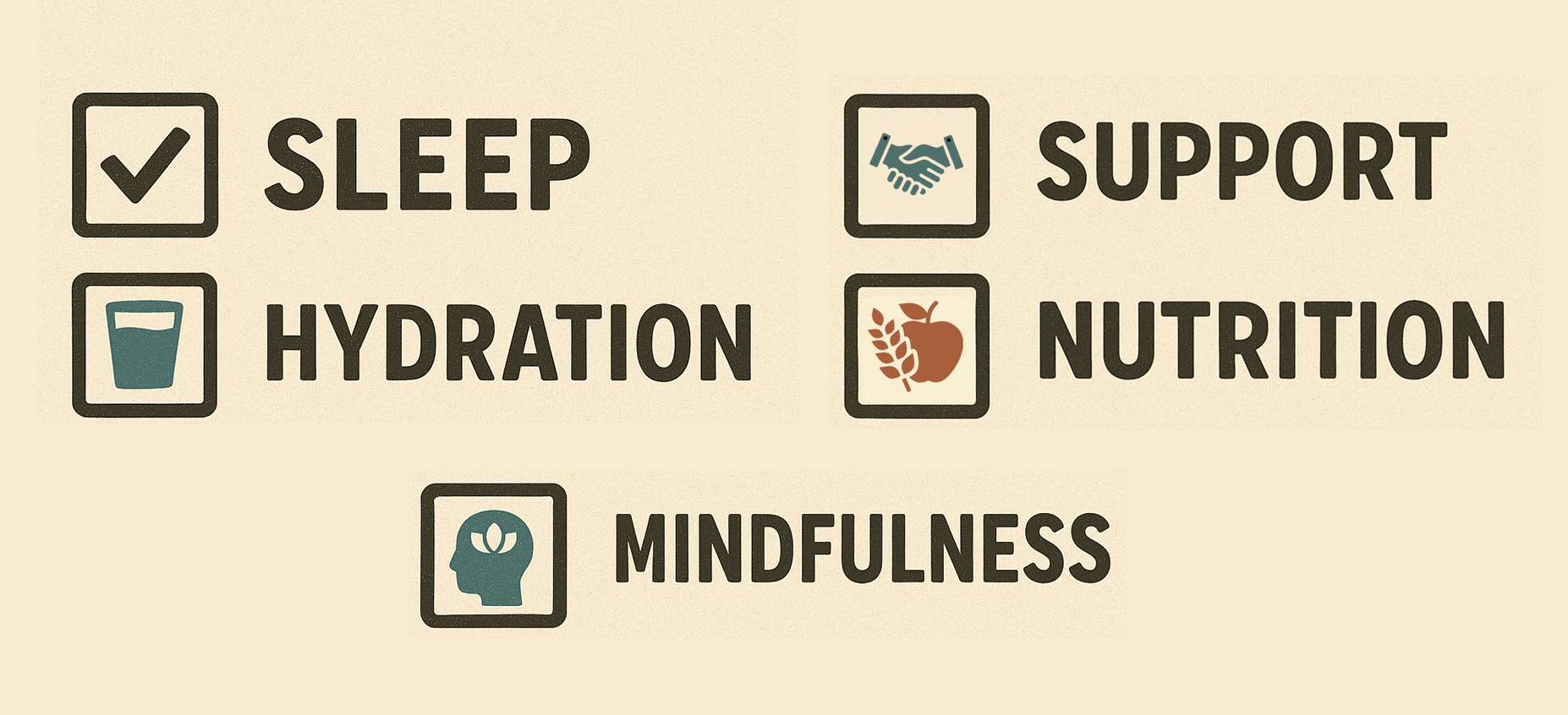
We have a tank, and it needs to be filled regularly. We fill it with balanced meals to sustain energy and essential hydration to stay alert and refreshed. Prioritize quality sleep and moments of mindfulness to keep your mind and body aligned. Even something as simple as wearing comfortable shoes can make a big difference in maintaining stamina throughout the day.
Manage Your Energy, Not Your Time
Time is fixed; energy is flexible. You can’t create more hours in the day, but you can protect and nurture your energy. During this demanding season, focus on balance and boundaries. Prioritize self-care, rest, and recovery. Choose joy where you can.
An empty energy tank doesn’t just affect you, it affects your customers, your teammates, and your results. Protect it. Refill it. Value it.
Questions to Help You Reflect and Refill
If you’re interested in going a little deeper with maintaining energy during busy times, consider the following questions.
- How do you define energy, physically, mentally, and emotionally?
- What does the holiday retail season typically feel like for you?
- What are your biggest stress triggers and energy drainers?
- How do you usually recover when you’re feeling overwhelmed?
- What specific things “empty your tank,” and what activities “fill it”?
- Who in your circle could benefit from this conversation or support you in it?
- What would an ideal flow state look like for you during a high-energy day?
Final Thought
Energy isn’t infinite, but it is manageable. The more intentional you are about protecting it, the more sustainable your joy and performance will be throughout the season. Remember: in retail, your energy is your superpower. Keep it charged.
Want to learn more? Read our other Blog Posts!