“The hard part won’t be the vision; it will be the change it requires.”
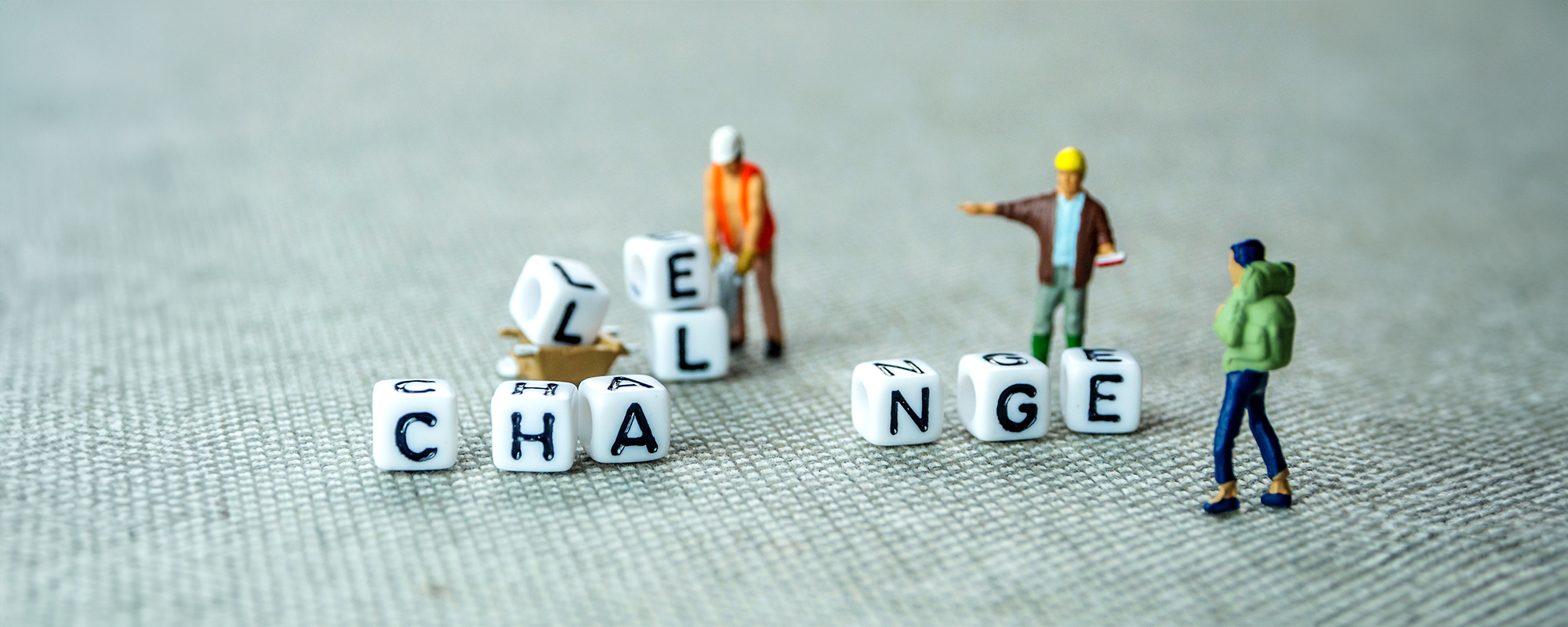
Change. I have always heard, in general, people do not like change, or do they fear change? Either way, I have a problem with that premise. I believe people are OK with change. It is just that they do not like or fear the various things that can come with change. Like learning new behaviors, being judged, fearing failure, falling short, etc. I believe most difficulties with change involve how we see ourselves or how we are seen in change. It is not change – it is our place in it.
Over time, I have learned that change will be what it is, to make what needs to happen, happen. Leadership guru John Maxwell famously said, “Change is Inevitable; Growth is optional.” I find change is more than inevitable; it is necessary. It is essential for our growth, and more often than not, it happens naturally.
We cannot not change.
Brad Stulberg, in his book Master of Change, states that there are two constants in our lives. One is that we age. Trust me when I say we are different from what we were yesterday. We see gradual physical change over time. However, regardless of how old we are, we create our own realities with our choices. Nevertheless, you and I are aging, one day at a time.
Second, Stulberg speaks of what he calls disorder events. Every 18 months or so, we, as research suggests, go through some disorder event. Not good things or bad things specifically…all things. They are events that require us to make some alteration, adjustment, variation, switch, or modification to what we are doing or how we do it. I would not necessarily call them life-changing events as much as I would call them pivotal events when we need to embrace what is in front of us.
Life’s fluidity, or flux, is real, and when we accept it, it can be empowering. When we accept change and how it challenges us, we move into a posture of letting it cultivate who we are and who we are becoming. We allow change to be our hinge for growth. Then, we develop a rugged flexibility and resiliency that is a chance for a new way to be ‘better’ no matter what we face. This can lead to better performance and productivity because when we see change as neutral, or naturally being what it will be, it becomes less about the circumstances and more about how we respond.
Change management would be easy if it weren’t for the change part.

Change, and more importantly, managing change becomes a series of choices. Step one represents acceptance. Accepting change as inevitable, cyclical, and necessary. Personal and professional. Big and small. Important and routine. Urgent and slow burn. We accept that no matter how the factors of “what, why, how, when, who, how much, how often, how long, or to what extent” play in change…change is going to happen.
The second step will always be the space between acceptance and action. It is where we place our intentions, outlook and attitude. It is about how we see and own our commitment to change. Our real commitment. Not the one that sounds good. The place and space where our grit, determination and resilience are tested as accelerants into action.
The third is to act. To do whatever it is right away without overthinking it. My advocation is always, start small. Then, a quick pause and reflection. Question the current action and behaviors…is it working? If it is working, keep at it. If not, pivot.
Ahh, but when is the best time to change?
I have found that it’s not the size of change that really matters. What really matters is the size of our response, especially the size of our acceptance, intention, and action.
Maybe the best time is when we are fully ready to start. I have researched and found four interesting considerations. One, when we hurt enough, we have to. This is about resiliency. It is one thing to say, “Knocked down seven times, get up eight.” Well, it is got to be in the eighth time where we decide, “I’m sick and tired of being sick and tired.” OR said another way, “Enough, I need to change.” Desperation drives us.
Two, when we see enough, we are inspired to. This second one is about being provoked in our thinking and doing. Something done, said, or lived out gives us an example of what change can look like and be like. That influences or triggers our motivation for change. Inspiration sparks us.
Three, when we learn enough, we want to. This is about competency. Our capacity to learn, know, and grow forward into change. That our ability to cognitively and logically process the things that need to change, the behavior that gets us there, and the follow-through to maintain our momentum. Understanding directs us.
Four, when we receive enough, we get to. Lastly, whether it seems like it or not, change can also flow out of a “others’ first” point of view. To change as a benefit to others and leveraging what we have in the service of others. Putting others first stimulates us.
Change is hard. Or at least, that’s how we see it. Hard is relative.
What if you and I saw change as an awesome, amazing, fruitful opportunity to do things better and be a better person. To not see it so much as hard, as simply challenging. Because it takes time, and it does not just happen without focus, work, discipline, and dedication. Slow down, pause, and then re-consider the point from above…make change happen in small steps.
There is an old saying, “How do you eat an elephant?” One bite at a time. “How do you eat a herd of elephants?” One bite at a time. Consider that today. We have talked about scale not being bigger than our intention. Maybe the simplest way to get change squared away is in one small step at a time. For two reasons. One, picking one thing makes it do-able, and it creates a singular manageable way to work through change. And two, getting one win builds momentum and the confidence to do more and more. One thing at a time, one bite at a time.
Taking all this into account, my last bit of advice is to not fear change because of the possibility of failing, fear not changing and staying the same. But then again, change is inevitable. Change will happen to you or through you, and you get to choose the pathway.
Consider the following questions and how your answers have the possibility to shape all the next steps.
- First off, how do you define change?
- What do you fear most in change? What do you appreciate the most about change?
- Think about one of your past changes, what happened? What did you learn?
- What are some triggers or motivators for you to change?
- How would you describe your behavior(s) in change?
- How do you typically measure success (or failure) in change?
Want to learn more perspectives about change? Visit our podcast or one of our locations.