
Jul 1, 2026
The Happiness Formula
When this came across my feeds, it struck me as a moment to ponder. A story from an Inc.com article by Ben Sherry. The story goes that while speaking at the University of Colorado at Boulder’s 2024 commencement ceremony, Apple co-founder Steve Wozniak emphasized the importance of approaching problems with a constructive mindset. In true Woz fashion, he did it in the form of a math equation.
“There’s a formula for creating happiness,” Wozniak said. “And it couldn’t be simpler. H = S – F, which means Happiness equals Smiles minus Frowns.” Woz acknowledged that in life and business, you can’t prevent things from going wrong, but his formula suggests that you do get to decide how to react.
So, is life a series of equations?
Like happiness, most things that make up our physical, psychological, emotional, and spiritual realities result from s some simple math equation. Addition and subtraction. Yes, simple in design, although not necessarily easy to calculate, because some of us may feel like the moment, day, week, month, year, and so on, is more like multiplication and long-form division. Maybe even fractions and percentages. The thing is, I like the simplicity of adding and subtracting. Simple math – things that bring me joy and fulfillment get added and the things that leave me put off and unsettled get subtracted. I look at my behavior and outcome, then I adjust accordingly. It makes sense.
Diving a little deeper into this topic, I came across a book by Neil Pasricha, The Happiness Equation. Rather than giving you a synopsis or key elements from the book, I share only this.
“According to recent research, only 10% of our happiness is based on our external world.
The other 90% is based on how we see the world.”
When I read this, what stands out is that the formula is less important than the interpretation and, specifically, how we apply meaning to the data. The discernment, extrapolation, and estimation process – that’s what makes it complex, complicated, and subjectively tricky.
Math is Objective.
Or is it? Here’s something to consider. Think about relationships. Being the research geek that I am, I was curious about relationship data. I saw this unbelievable amount of data on divorce, with every possible way to look at percentages and rates: age, occupation, states, and so on. Now, for the sake of our conversation, let’s simplify and say it’s 50/50.
Here’s my question: which 50% gets your attention? Where does your head go first? To the 50% who get divorced or the 50% who stay married?
One might say, “It’s going to be tough for people in relationships when they see this. They have a high probability of breaking up.” Another reaction, “OK, but what about the ones who are great with one another – what if they’re the 50% that stay together?”
This is the whole ‘glass half full, half empty’ metaphor.

Retail is definitely math.
When I first cut my teeth in retail, I remember my very first boss telling me the importance of conversion rate, saying it was THE most important metric in retail. To look at the number of total opportunities in a given time period, and measure that against the total number of transactions; thus, providing an indicator of selling effectiveness, or closing ratio. Let’s say it’s 20%.
Obviously, whether it is good or bad, is pretty much relative to what it’s been (trend) and the desired outcome (target).
I want to know trends and targets, for sure. If I want to get really good, I’m going deeper. I can look at 20%, celebrate the outcome, and explore why they bought. OR I can look at 80%, embrace the opportunity, and try to figure out why they didn’t. Which side typically gets our focus? Maybe both.
To be fair, there are other factors we could chat about. Very rarely are things like this cut and dry. My point is this: when we consider anything, what gets our attention and focus? Why? What are our motives? Who benefits the most from our analysis, and how will we approach them with the data? Half full or half empty?
A + Variables = Customized Approach
This math equation is the one I live and lead by. When I started out as a leader, I wanted an equation to fit everything, one that I could easily apply to all that I did. I quickly found that the reality is there is no “easy way” and definitely no one-size-fits-all equation. A + B = C doesn’t exist.
I changed my approach. A + Variables = Customized Approach. “A” represents the thing I must do. This doesn’t change. It’s the task, goal, target, expectation, and standard. “Variables” are exactly what the word implies. It’s all the stuff that can and does happen that we don’t expect or can’t control, such as the circumstances, people involved, and uncertain factors. “Customized Approach” is my response to both task and circumstance. It’s about choice. I get to choose my actions, reactions, plans, and responses.
 In essence, my day-to-day reality may very well be a series of mathematical equations wherein success or failure is the sum of all choices I’ve made. In other words, I calculate all the stuff in my day, factoring in probability, estimation, and uncertainty, and then come up with a sum. My choice represents that equation.
Bottom line: how do you see the world? How do you calculate its meaning? How do you see the day you are given and moments where you get to choose a response? Is your response a smile or frown? Are you contemplating a little math – adding something in or subtracting something out or away? Today, you get to respond. What will make up your equation? Half full, half empty, or realizing neither matters if the glass is refillable.
#RussellCellular #LeadershipMatters #CareerHere #Perspective
Read more RC Leadership hot takes in our blog.

Jun 29, 2026
Improving your golf score feels harder than ever. Courses are longer. Greens are faster. Competition is stronger.
But here’s the good news: smart golf technology – from golf GPS apps to smartwatches and recovery wearables – is quietly helping golfers make better decisions, practice more efficiently, and consistently shoot lower scores.
Not with gimmicks.
Not with endless swing thoughts.
But with clear, personalized data that translates directly into better golf.
Let’s look at how modern golf tech helps golfers at every level – and why wearable golf devices are becoming must‑have tools for players serious about improvement.
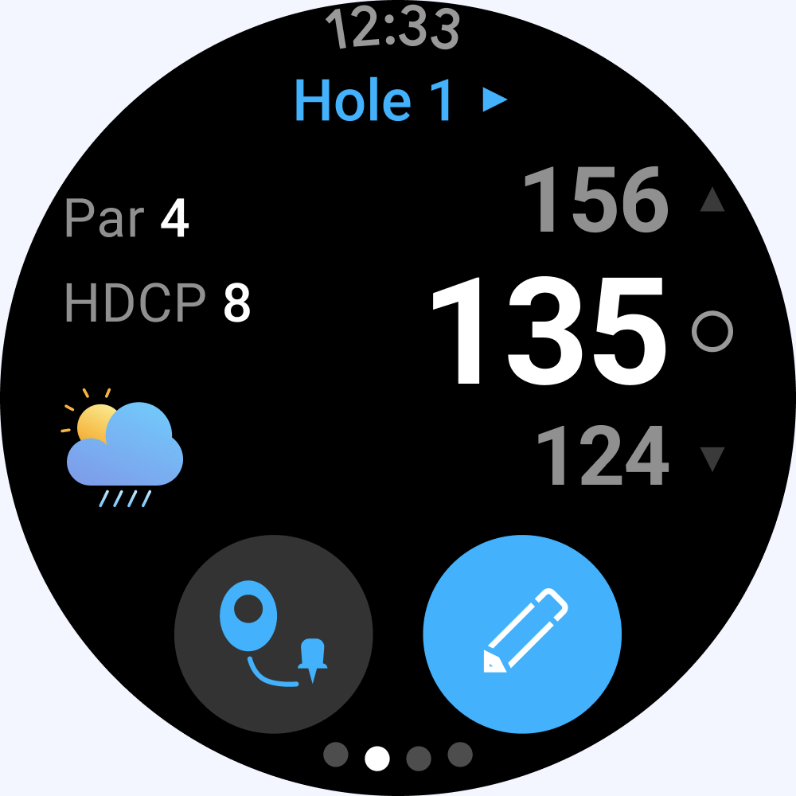
Smartphone Golf Apps: The Most Popular Golf Tech Today
For most golfers, smart golf tech starts with a phone. And for good reason.
Today’s golf GPS apps turn smartphones into powerful on‑course strategy tools and post‑round performance coaches. Because they’re easy to use and always accessible, smartphone golf apps are the most widely adopted technology among everyday and improving golfers.
Smarter Yardages Lead to Smarter Shots
Modern golf apps provide:
- GPS distances to hazards, layups, and pin locations
- Elevation‑adjusted and wind‑adjusted “plays‑like” yardages
- Hole previews that encourage course management over risky swings
Why it matters: Better yardages lead to better club selection, fewer penalty strokes, and more greens in regulation.
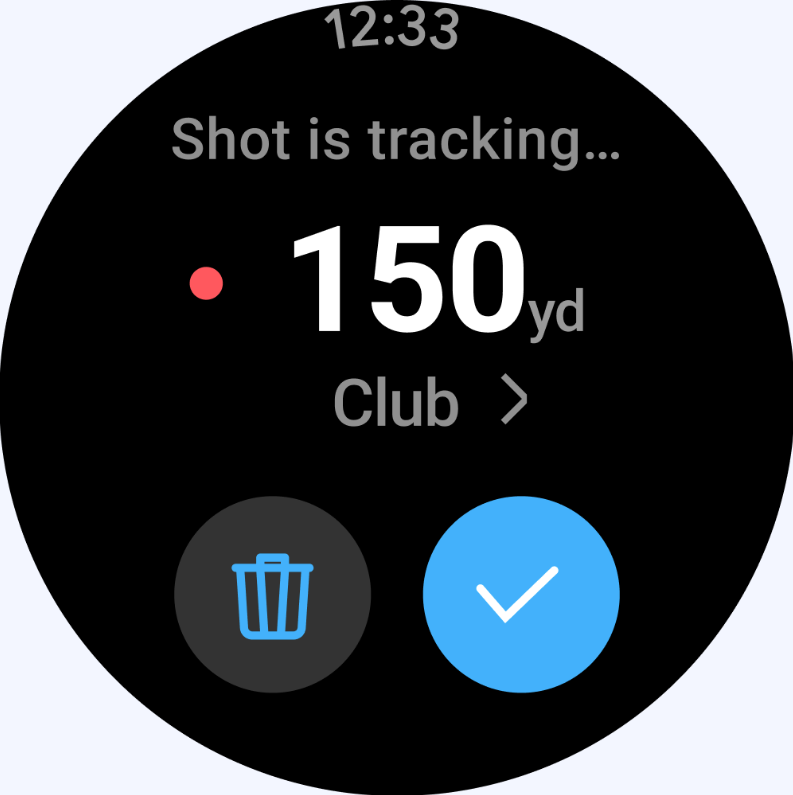
Shot Tracking That Shows Where You Actually Lose Strokes
After your round, golf analytics apps show insights you’ll never get from a scorecard:
- Which clubs cost you the most strokes
- Which distances create the biggest scoring problems
- How your performance compares to golfers at your skill level
Many golfers discover the same pattern:
“I’m not losing shots putting – I’m losing them on approach shots between 130 and 170 yards.”
That awareness alone can completely change how – and how efficiently – you practice.
Popular golf GPS and shot‑tracking apps available on Android (and similar ones on iPhone) include:

Golf Smartwatches: Data Without Distraction
For golfers who want on‑course data without constantly checking their phone, golf‑enabled smartwatches are the natural next step.
While elite professional and tour‑level players often use specialized golf‑only watches, most golfers choose mainstream smartwatches paired with golf apps. They offer excellent performance, everyday usability, and seamless integration with smartphones – on and off the course.

Hands‑Free Shot Tracking
Golf smartwatches can:
- Automatically detect swings and shot distances
- Assign shots to holes as you play
- Sync with your phone for detailed post‑round analysis
No writing. No tapping. No disruption to pace of play.
The result: Cleaner data and better focus during your round.
Real‑Time Golf Help at a Glance
With a quick look at your wrist, golfers can access:
- Accurate GPS yardages
- Fast green views and distances
- Club suggestions based on past performance
That’s smart decision‑making – without slowing down your round.
Smart Rings and Recovery Tech: Better Golf Starts Before Tee Time
Smart rings don’t track golf shots, but they play an increasingly important role in golf performance by supporting recovery, focus, and late‑round stamina.
Sleep and Recovery Data That Impacts Scores
Smart rings and wellness apps track: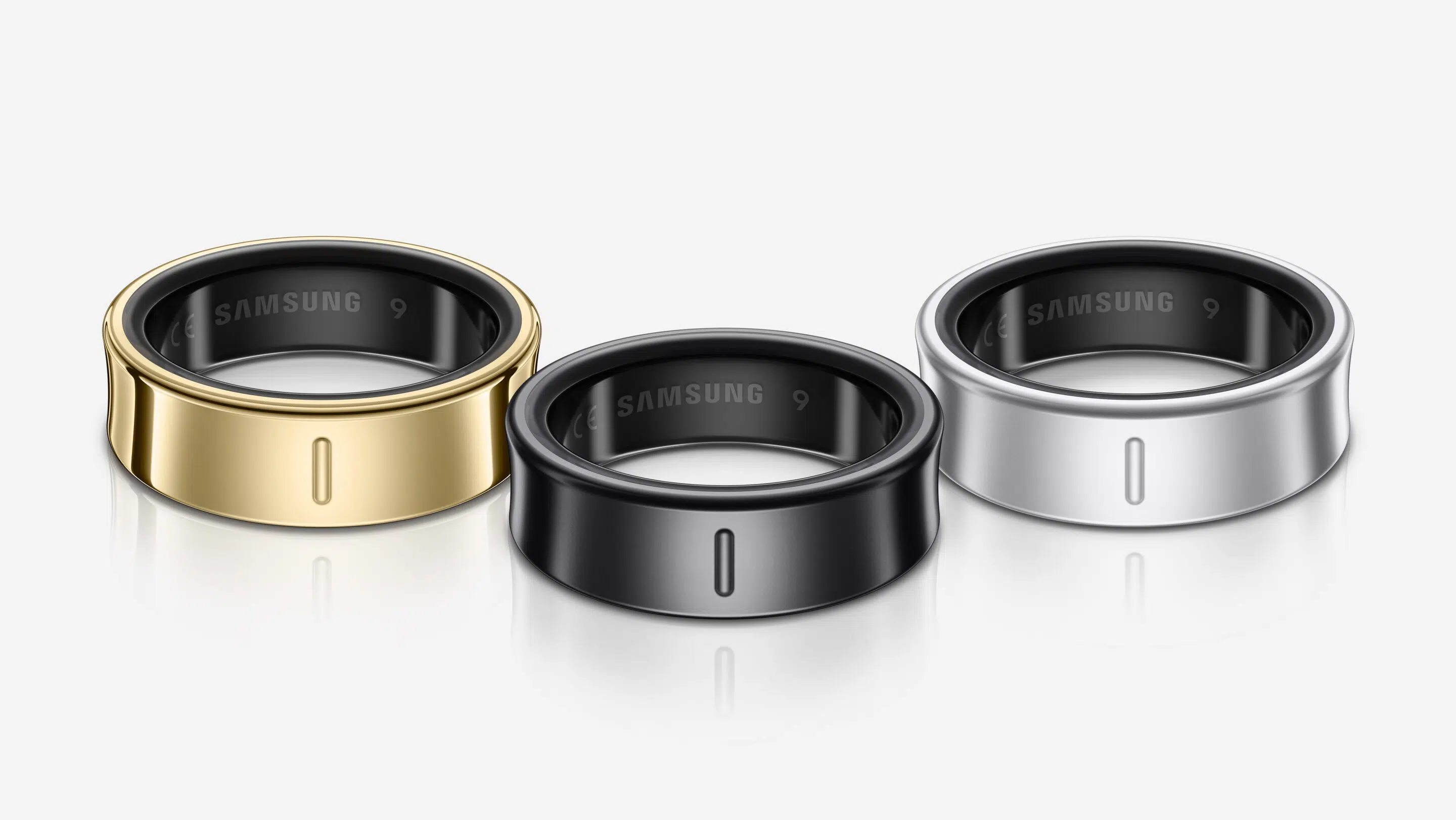
- Sleep quality and duration
- Stress levels (heart‑rate variability)
- Recovery readiness before a round
Trends appear quickly:
- Poor sleep often leads to higher scores
- Better recovery supports consistency and focus on the back nine
For golfers who struggle with late‑round fatigue, recovery tech can be a game‑changer.
Popular sleep and recovery apps available on Android (and similar ones on iPhone) include:
The Power of a Connected Golf Improvement System
When phones, watches, and recovery wearables work together, they create a complete golf improvement loop:
- During the round
– A smartwatch tracks shots effortlessly
- After the round
– A smartphone reveals scoring trends and weaknesses
- Between rounds
– Recovery tech supports better rest and consistency
- At practice
– Data guides practice that actually lowers scores
Instead of guessing what to fix, you practice with purpose.
Why Golfers Are Upgrading Their Golf Tech in 2026
Golfers who use smart golf technology consistently report improvements in:
✅ Course management
✅ Club‑selection confidence
✅ Practice efficiency
✅ Mental clarity under pressure
✅ Late‑round endurance
Technology doesn’t replace skill – it accelerates improvement. And with today’s device options, getting started has never been easier or more affordable.

Time to Play Smarter Golf?
If you’re serious about improving – not just playing – smart golf technology gives you the edge modern golfers are using to lower scores. Your next breakthrough round could be powered by the smart device on your wrist, in your pocket, or on your finger.
Let Russell Cellular help you find the right smartphone, smartwatch, or wearable tech to support your game. Visit your local Verizon store, shop online, or call 1‑800‑221‑4408.
#Verizon #5G #LTE #Fiber #SmartGolfTech #GolfApps #GolfSmartwatch #Smartwatch #SmartRing #RecoveryWearables #ImproveMyGame #LowerMyScores #RussellCellular #BetterTogether
Read more RC blog articles.

Jun 1, 2026
Things are expensive these days.
If anyone would like to create an immediate and deeply visceral response in a conversation, talk about money. In fact, it makes up one of the four ubiquitous, off-limits conversation topics: politics, religion, sex, and money. If that wasn’t enough, not only is our financial situation one of the most personally sensitive points of view, but it’s also a leading catalyst for divorce and overall relational conflict.
Therefore, money, specifically what we have, how we spend it and where, will always be a thing we hold close to our chest as we make our choices in our fixed and discretionary spending.
When it comes to things being “expensive”, well, that is relative. I contend everything is expensive until value has been established. Then it becomes a balancing act of to what extent our value meets our capacity to pay for the thing or things we want, need, or desire.
“During these economic times…”
Ok, first off, let me temper everything that follows with acknowledging the realities of the cost of living. I am not immune to this very real thing each day, week, month, and so on. Here’s the thing, I am not sold on the idea that these current times are unique. Every generational group has had an economy with which they have had to navigate their spending realities.
Times with market crashes, world wars, pandemics, and a variety of local, national, and global events of all categories have challenged our ability to buy, sell, transact, save, invest, and so on. If we have a little or a lot, the zeitgeist, or the spirit of the times, influences our wallets.
Context is everything.
I am going to challenge “During these economic times” through the lens of retail, and specifically what we do as retailers, which is to sell lots of stuff. Let’s start right there. When one works in retail, the job, regardless of whether it is customer facing or not, is 100% about selling what it has or supporting those who do the selling within some respective organizational role.
You see, I started in an era of retail where it seemed the three most important KPIs (Key Performance Indicators) were CR, AS, and IPS. That is to say…Conversion Rate or how many sales vs. opportunities. Average Sale or the total dollar amount of each transaction. And Items Per Sale or…well, that one seems obvious. The key thing uniting all three, the more the better.
My first legit retail job was selling clothes. I learned early on that it was unconscionable to sell just one thing. For example, we never let a suit go out without two dress shirts, three ties, a belt, and maybe some shoes. Why that much? Because a suit was an investment, and the goal was to ensure the customer could make the most of their purchase.
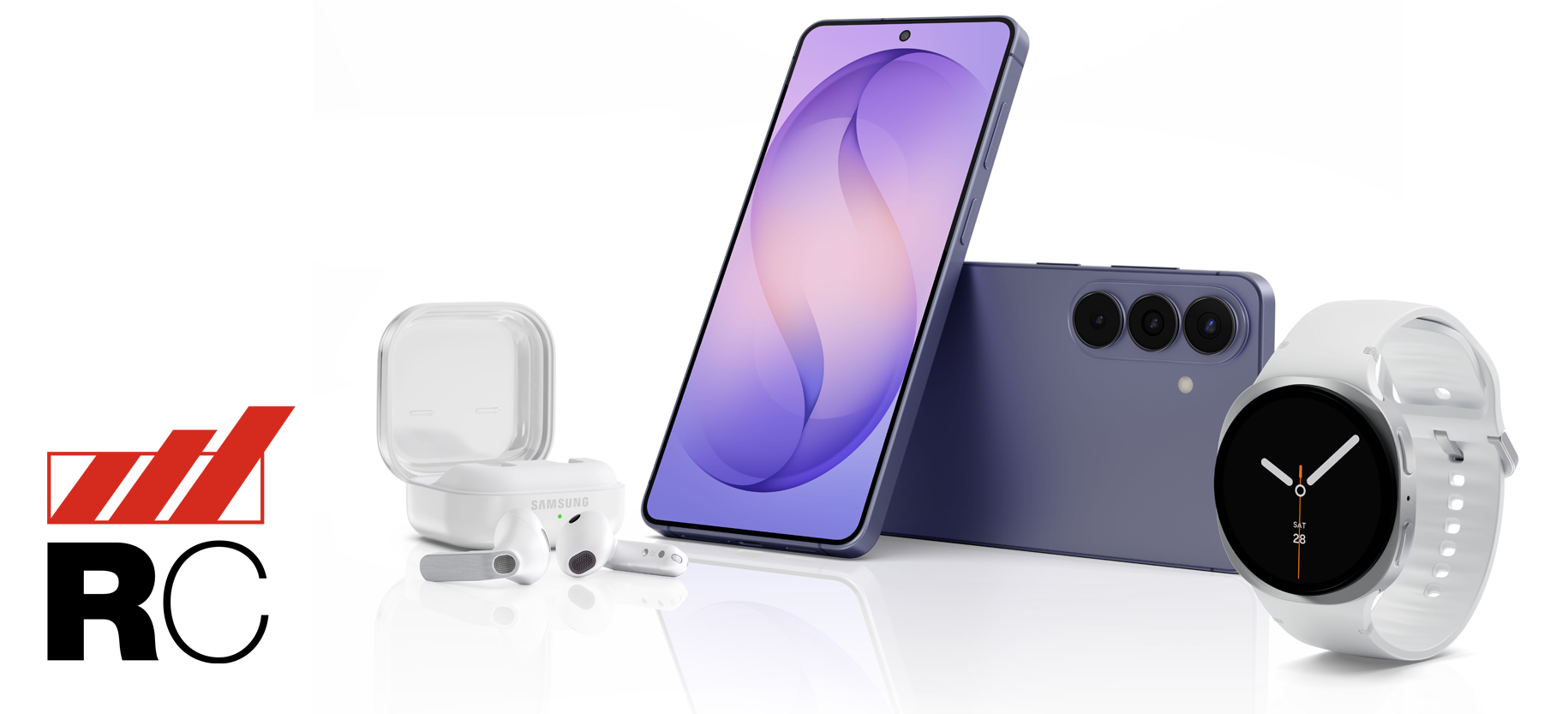
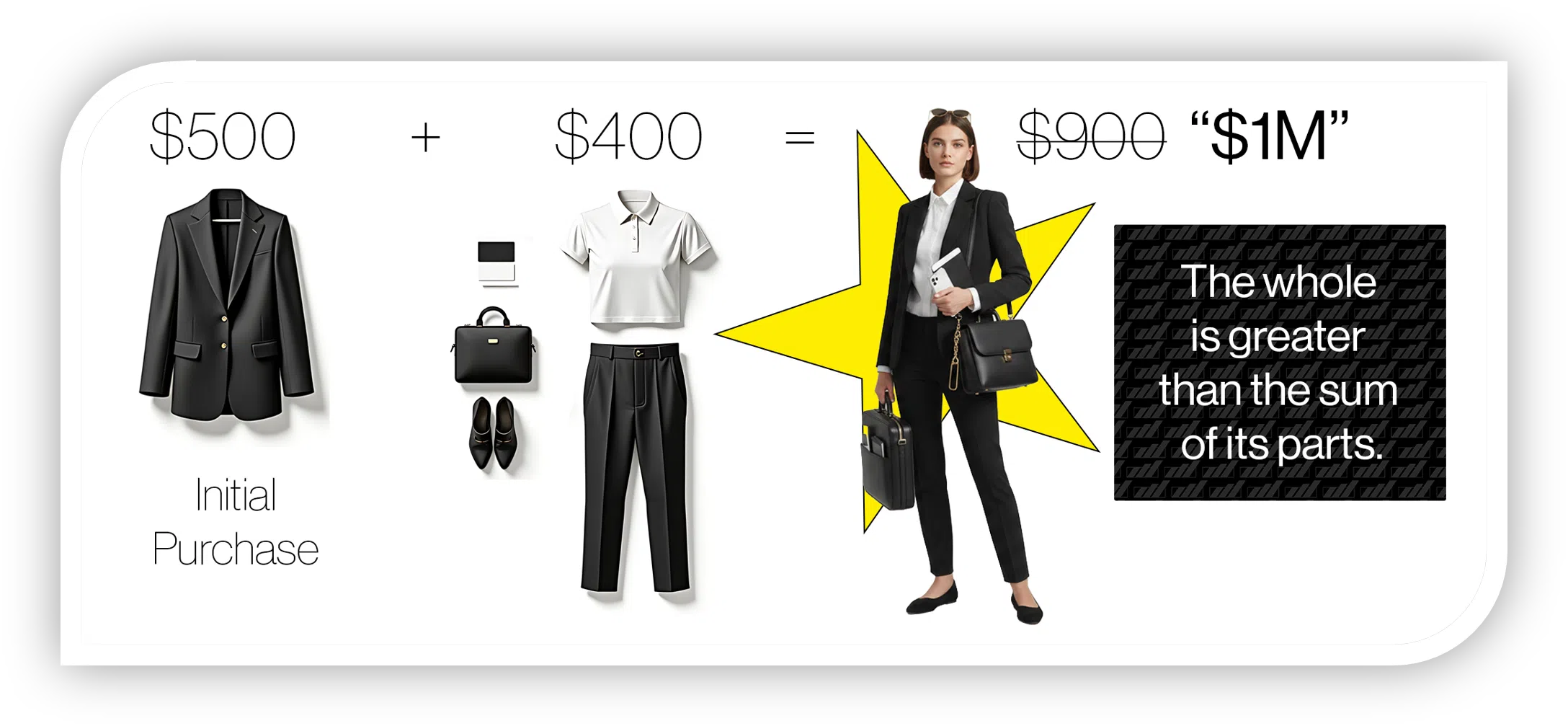 Now pivot over to wireless. The same is true, and even more so. Here’s why. It wasn’t that long ago at a wireless convention, maybe 16 years ago, where the idea of someone spending the money to buy a smart phone was a question mark. The price point seemed too high. And now, we cannot even imagine not having a smart phone. We went from about a 25% take rate then to being well over 100%. In fact, our saturation rate is way over 100%.
Which challenges the question, especially to someone who is new to retail, “during these economic times”, will people buy more than just the phone? And I say resoundingly, “heck yeah”. Just like the suit, it’s an investment. We go everywhere and do everything with our handheld, minicomputer. It links us to almost every aspect of our life. It requires protection, power, and performance to maximize overall value and usage. As well as all the connectivity with family, lifestyle, and business opportunities.
In fact, wherever we are and whatever we do, we will never give up our phones…even in and especially during these economic times. We probably depend on them more now. And we need more than just the phone. Each item offered adds value to our customers’ lives, and we get to help with that.
‘Value’ and ‘Service’ Prevail Over ‘Expensive’ and ‘Economy’
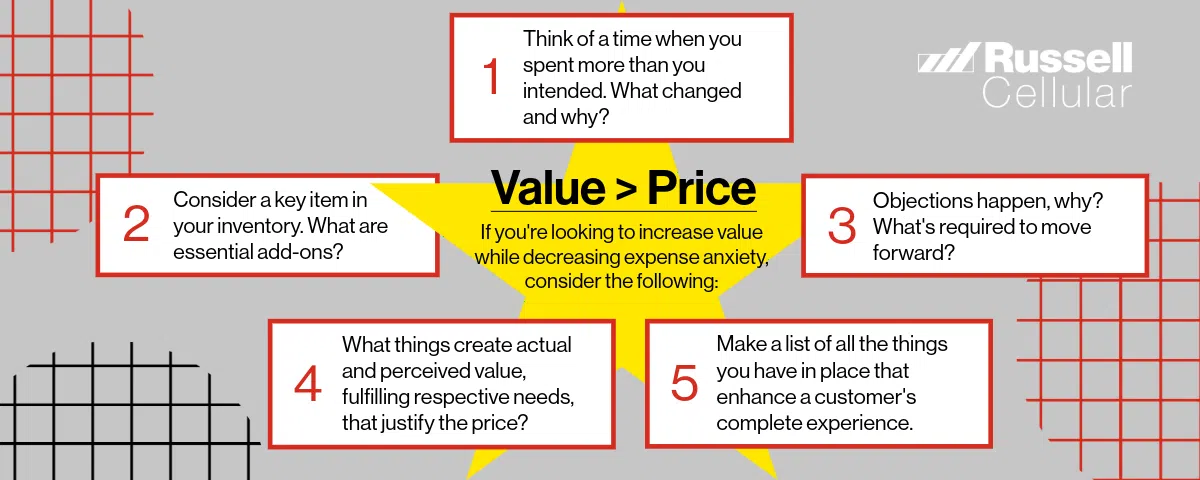
Let’s be real, price does matter, even when value is being established. What makes a distinct difference is when we help the customer align what they want and what they need with the most reasonable and cost-effective solution. Where the selling focus is not to blindly get the customer to buy more, but to intentionally help them buy right.
The key to making that happen is the quality of service before, during, and after. Beyond the disclosed features and benefits that align with the customer’s buying decision. It’s the relationship created and the behaviors demonstrated to each customer. It’s in the crafting of the relationship through…asking the questions, getting to know the customer and their wants, needs, and desires, making the recommendation for the total solution, working through setting them up properly, and then ending with a transaction AND establishing a relationship that lasts.
Bottom line, expensive, economy, price, value…it’s all relative. Keep that in perspective. The focus is making the most out of the investment. At Russell Cellular, maximizing value is the common denominator in all that we do. Caring for every person is how we do it.
#Verizon #5G #LTE #Fiber #RussellCellular #BetterTogether #LeadershipMatters
Check out other RC blog articles.
Jun 1, 2026
Smarter Streaming Leads to a Happier Wallet
People are noticing their streaming bills putting on a little weight these days. With so many great platforms (and their not-great monthly fees), entertainment can get pricey for many households. The good news is that Verizon streaming perks offer the easiest ways to save money on entertainment services. The bad news? There are still folks out there paying too much, more than they have to, and we’re very sad for them.
For every movie buff, sports fan, news junky, info addict, music lover, and arcade gamer, Verizon has both a will and a way to cut streaming costs without cutting must-have content.
Note: Figures in the image could be inaccurate. Verify current pricing here.
Smarter Streaming Starts with Verizon Perks & an Unlimited Plan
Saving money on streaming services doesn’t require people to give up their favorite shows. With Verizon perks, customers can enjoy premium content non-stop while making their wallets happy campers too. Get the ball rolling today with Russell Cellular at your nearest store, on our website, or by calling 1-800-221-4408 (business customers call 1-866-326-7549).
Perk Up with Major Streaming Discounts
Verizon wireless customers are entitled to bonus offers or special perks regardless which “Unlimited” plan they have. One perk is available for every eligible mobile line on their account, so the savings can pile up fast. Verizon Home Internet customers have no limit on the perks they can add.
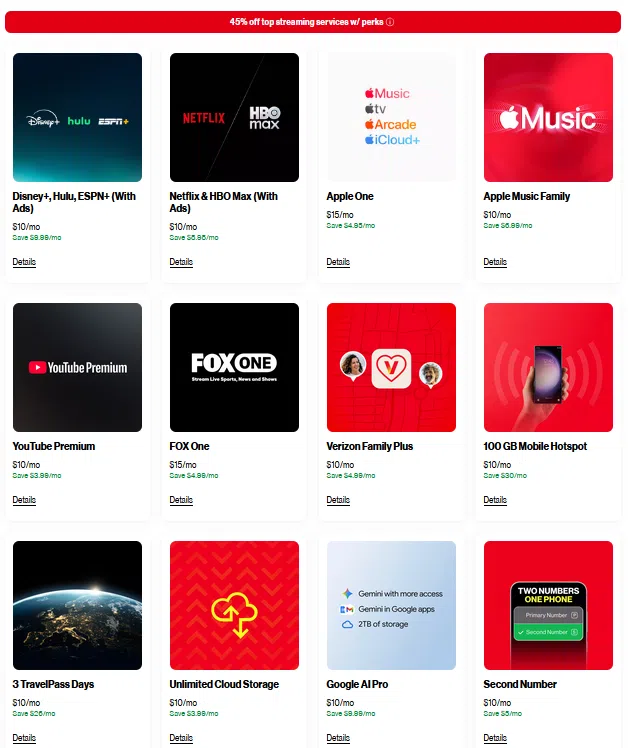
At press time, these Verizon streaming perks (and others) were available as add-ons:
- Disney Bundle (Disney+, Hulu, ESPN+) discount
- Apple Music and Apple One subscription discounts
- Netflix & HBO Max bundle discount
- YouTube Premium, Fox One, and other rotating discounts
- Google AI Pro Gemini access and storage discount
- Verizon Family Plus, 100 GB Mobile Hotspot, Verizon Cloud (Unlimited Storage), Second Number, and 3 TravelPass Days discounts
Available perks can change periodically, so doing an occasional inventory check and promotion review can be especially helpful. Customers can add or cancel perks at any time. Get all the perk details here.
Grab One Bundle to Save Another: Combine Services to Pay Less
Verizon streaming bundles are one of the most effective ways to reduce monthly costs. Verizon frequently partners with major platforms to offer bundle pricing, extended trials, or seasonal promotions.
For streamers already paying for multiple services separately, a bundle can instantly trim their bills, like this one for a limited time. (Any wallets or pocketbooks reading this are now smiling broadly.)

Watch for Limited‑Time Verizon Streaming Promotions
Verizon often runs limited‑time streaming promotions, which can include:
- Free months of premium services
- Massive introductory discounts
- Early access to new platforms
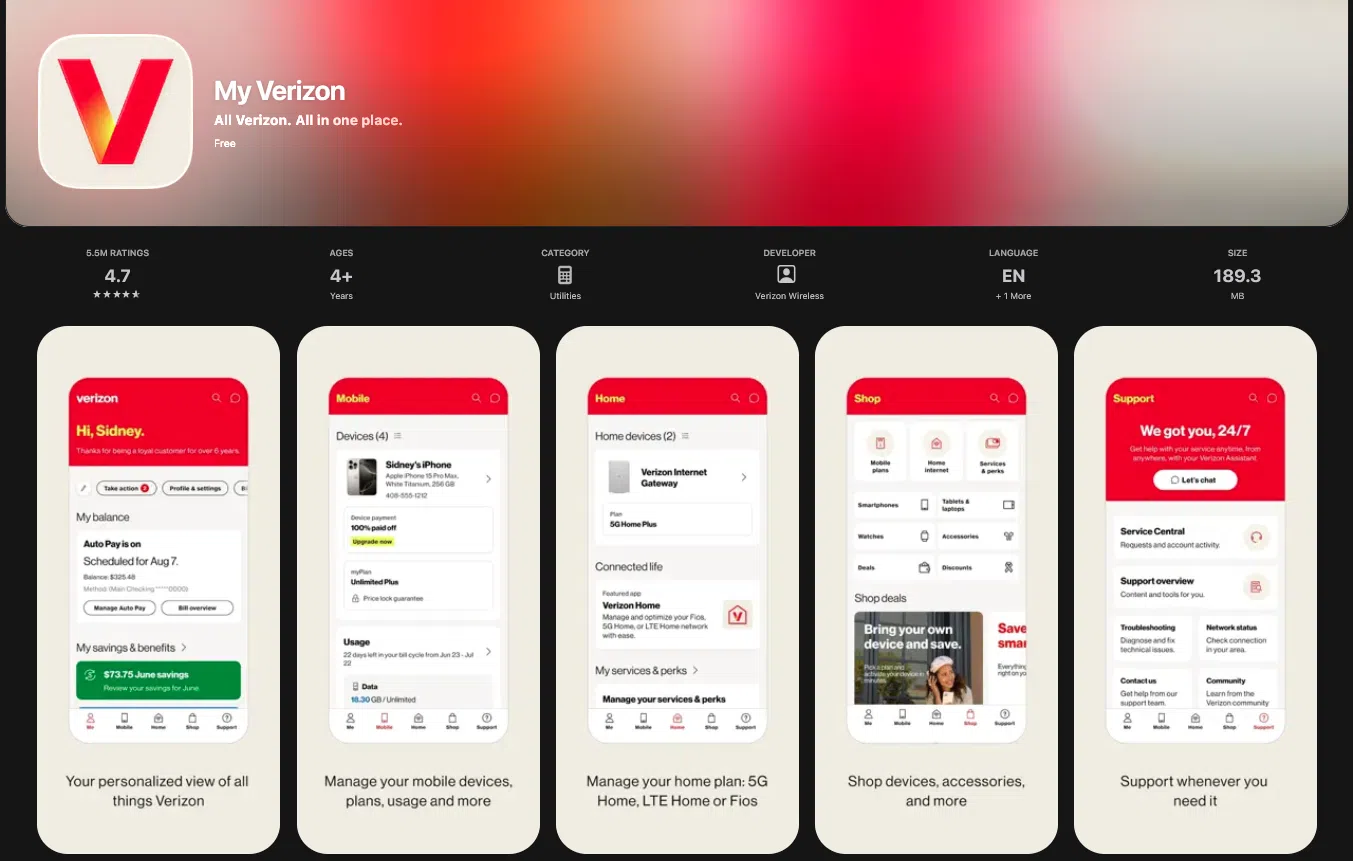
Checking the My Verizon app frequently can help customers catch these deals while they’re hot. The My Verizon app is available for free download in the App Store or at Google Play.
Do a Quick Streaming Audit (and Keep Your Favorite Perks)
Even with discounts, it’s easy to overspend on streaming. A simple audit can help everyone maximize savings. It might take a minute, but the results are almost always cost savings and peace of mind.
Try this:
- List the services you and your crew actually use and watch.
- Cancel the ones you haven’t opened in months.
- Replace paid subscriptions with Verizon‑discounted versions.
- Rotate platforms based on what you’re watching this month.
This strategy, combined with Verizon perks, can cut streaming bills by a pretty penny and stretch entertainment dollars farther than ever. Let Russell Cellular show you the way!
#Verizon #5G #LTE #Fiber #MyVerizon #VerizonPerks #VerizonStreamingPerks #VerizonStreamingDiscounts #RussellCellular #BetterTogether
Read more RC blog articles.
May 19, 2026
 As a District Sales Manager, Muhammad brings a leadership perspective shaped by his own journey through Russell Cellular – from new hire to leader. His experience reflects the impact of strong onboarding, supportive leadership, and a culture built on growth. He shares these reflections in his own words:
Looking back, I remember well what it was like to be new at Russell Cellular – but now, as a District Sales Manager, I can clearly see how impactful that experience truly was.
From day one, my onboarding felt both supportive and structured. The leadership team made sure I had the resources, guidance, and training needed to succeed, but what stood out most was the collaborative environment – everyone genuinely wants to help each other improve and win together.
One of the reasons I was drawn to RC was its reputation for growth and its family-like culture, where hard work doesn’t go unnoticed. That became real for me almost immediately. Building relationships early on helped me learn quickly, ask better questions, and develop trust with the people around me.
Now, in my role as a leader, I try to create that same experience for others.
If I could give one piece of advice to new hires, it would be this: be coachable. Ask questions, take feedback seriously, and focus on building strong habits early. Most importantly, stay aligned with our mission – delivering the best wireless experience to every customer, every time.
If you stay consistent, keep a positive attitude, and take care of your customers, the results will follow.
#Verizon #5G #LTE #Fiber #RussellCellular #BetterTogether #Perspective
Check out other RC blog articles.
May 1, 2026
Turning Hard Tasks Into Growth
I offered this in a conversation with someone I am mentoring. They were lamenting about the difficulty of doing this specific task. As they shared their process, they seemed stuck in only one way to do it, and they couldn’t get past a mental wall they had created in getting it done.
Their focus struck me as misdirected. They seemed to place all their focus on the task. The task seemed to be their tripping point each day. It was hard. It just seemed impossible to do.
Ok, I get it: a task can be hard to do. Until it isn’t. We eventually figure it out. Another thing, two people can look at and engage in the same task. For one, it’s hard. For the other, it’s easy. Same task. What’s the difference?
It’s NOT Rocket Science.
I have used this idiom before, and it especially strikes a nerve with team members who may struggle with specific tasks. The meaning of the saying is obvious. It defines a task or concept as simple, easy to understand, and not complex. It is used to reassure us that this requires little specialized knowledge, often implying that a task should be easy to complete.
Easy is relative, though, isn’t it? Whatever the job or industry, all tasks come with their own brand of easy and hard. So, our response in qualifying what we get to do will always be subjective, personal, and dependent on experience, perspective, and circumstance.

Maybe our challenge is engaging others, asking a question or two, or closing the sale. Why? Why is this particular task hard? Or why is it hard for me and not for someone else? Or what’s the root cause underneath my saying this, feeling it, or realizing whatever the adjective is what it is?
My advice would be to start with some curiosity – ask why. Before we make it “rocket science”, let’s figure out if we are really unpacking the science of rocketry or merely doing whatever it is consistently and with purpose.
Easy Things Should Be Easy, and Hard Things Should Be Possible.
Let’s be real, the goal is to make hard or difficult tasks easier and to find the best and most efficient ways to make that happen. However, sometimes we choose easy or easier because we want to avoid the hard or difficult stuff. Call it the path of least resistance. Why choose that?
Well, it can be a couple of things. It can be psychological and behavioral tendencies to prioritize comfort, simplicity, and no pushback over labor-intensive, high-risk alternatives. We may want to minimize physical or mental exertion. Sometimes it’s our hardwiring. Our brain favors known, repetitive behaviors over the mental effort of decision-making and overcoming challenges when things get hard. And face it, sometimes we just get lazy, and easy trumps hard.
Imagine a wall. An obstacle that can trip us up. A thing to overcome and keeps us from our mission of getting to the other side. We can go over it, around it, or even through it. Or we could take the easy way out…turn around and walk away. The thing is, the other side is our mission. It will require intentional effort. Therefore, hard will be our pathway to achievement. With pain comes gain.
Bottom line, if easy is easy…fine, let it be so. If what we have is hard and it needs to be hard, don’t choose the comfortable path. Choosing this path can lead to wasted potential, mediocrity, and avoiding necessary personal growth. Acknowledge the task as hard, accept the challenge, and resolve to overcome the extra effort and do the next right thing.
Remember, Simple Doesn’t Mean Easy.
Essentially, this suggests a task or concept can be straightforward, clear, and uncomplicated to understand, yet still require immense effort, discipline, or even flexibility to execute. The challenge seems to lie between the simplicity of understanding and ease of execution. It still begs the question, what makes tasks perceived as ‘hard’ easy or at least easier?
Case in point: I have been with team members who shy away from doing specific tasks as part of their selling routine. Why? They say it’s hard. I wonder is the task too hard or the fear too great? Is it doubt? Is it that they’re uncomfortable to make happen? Because it doesn’t appear to be the task itself. It seems like it is more a skillset-thing. Maybe even a mindset-thing. Either way, the task doesn’t change.
Well, to be fair, yes, tasks can go through change. Maybe they alter due to new or better efficiencies or pivot in direction and focus. Even though it’s still an expectation, the next step is how we get it done. The change we bring into the next step is about the choice we make in how we engage our ability and attitude – our approach.
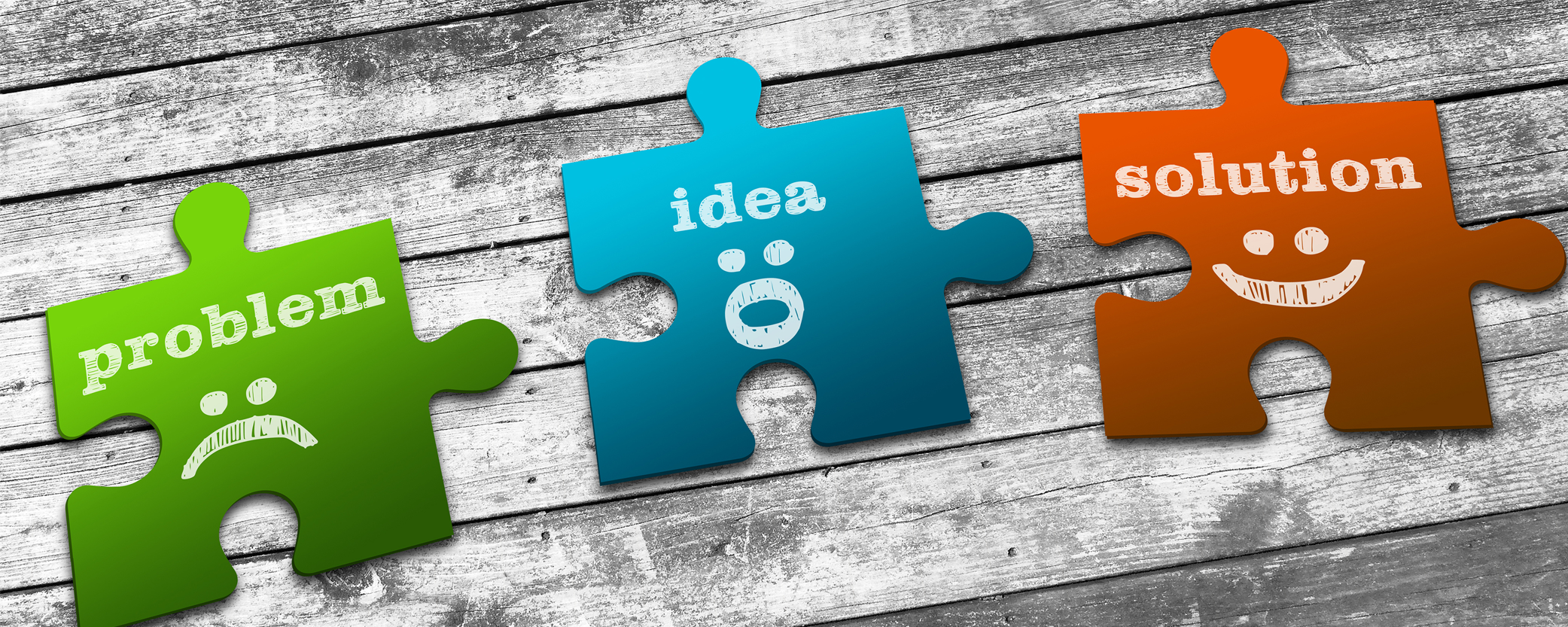
And that was my challenge and encouragement to the team members. First, find a different “why” – you may need to reframe the question and change your attitude about the answer. Next, take it apart. Break it down into smaller tasks or steps. Rearrange them if needed. Then, study what’s in front of you. Seek to better understand and learn from different perspectives, like asking someone else about their approach. And then, put it back together and engage in it one thing at a time. With a dedicated focus, we’ll find the task doesn’t change its being-ness, we change our doing-ness.
Today, the main thing is to keep it simple. Yes, things can and will be hard to do. BUT, when we invest in them and improve our skillset and mindset to do them, with time and commitment, they become easier. The task AND our ability to do it.
If you’re looking to move from simple to easy, and easy to easier, consider the following questions.
- Define easy, or hard, or any other adjective that comes to mind.
- Where and when does it typically show up in your day-to-day?
- Is this task part of our routine or something we’ve never done before?
- What have you done to better understand and become knowledgeable about it?
- What’s the real issue – the task or our attitude about the task?
#Verizon #5G #LTE #Fiber #RussellCellular #BetterTogether #LeadershipMatters
Check out other RC blog articles.