

How Smartphones, Connected Devices, and Accessibility Apps Are Empowering Independence
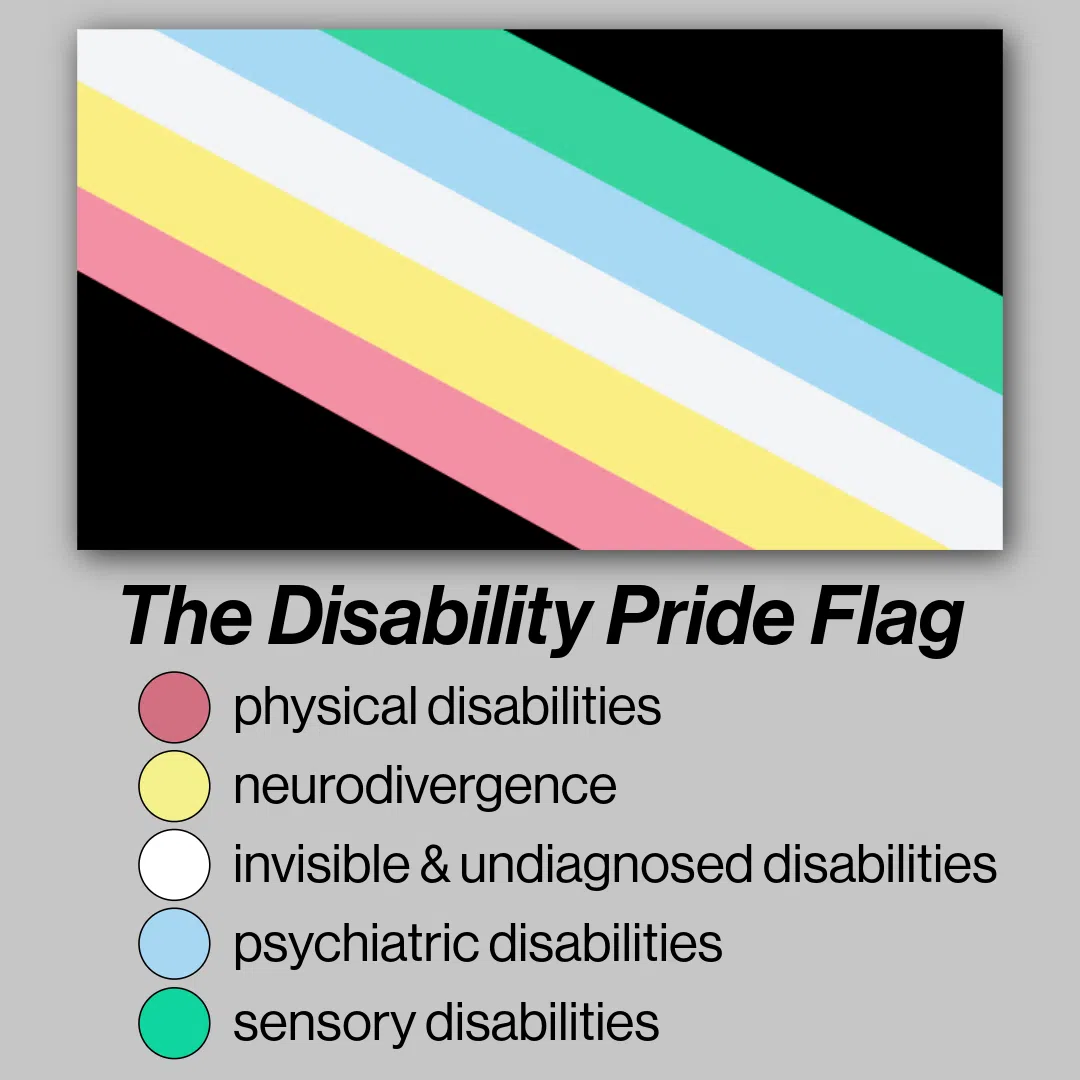
Every year since July 26, 1990, when the Americans with Disabilities Act (ADA) was signed into federal law, states and communities across the nation observe Disability Pride Month in July, honoring the achievements, identities, and contributions of people with disabilities while promoting a more inclusive society. It is also an opportunity to appreciate how technology has transformed everyday life in our country.
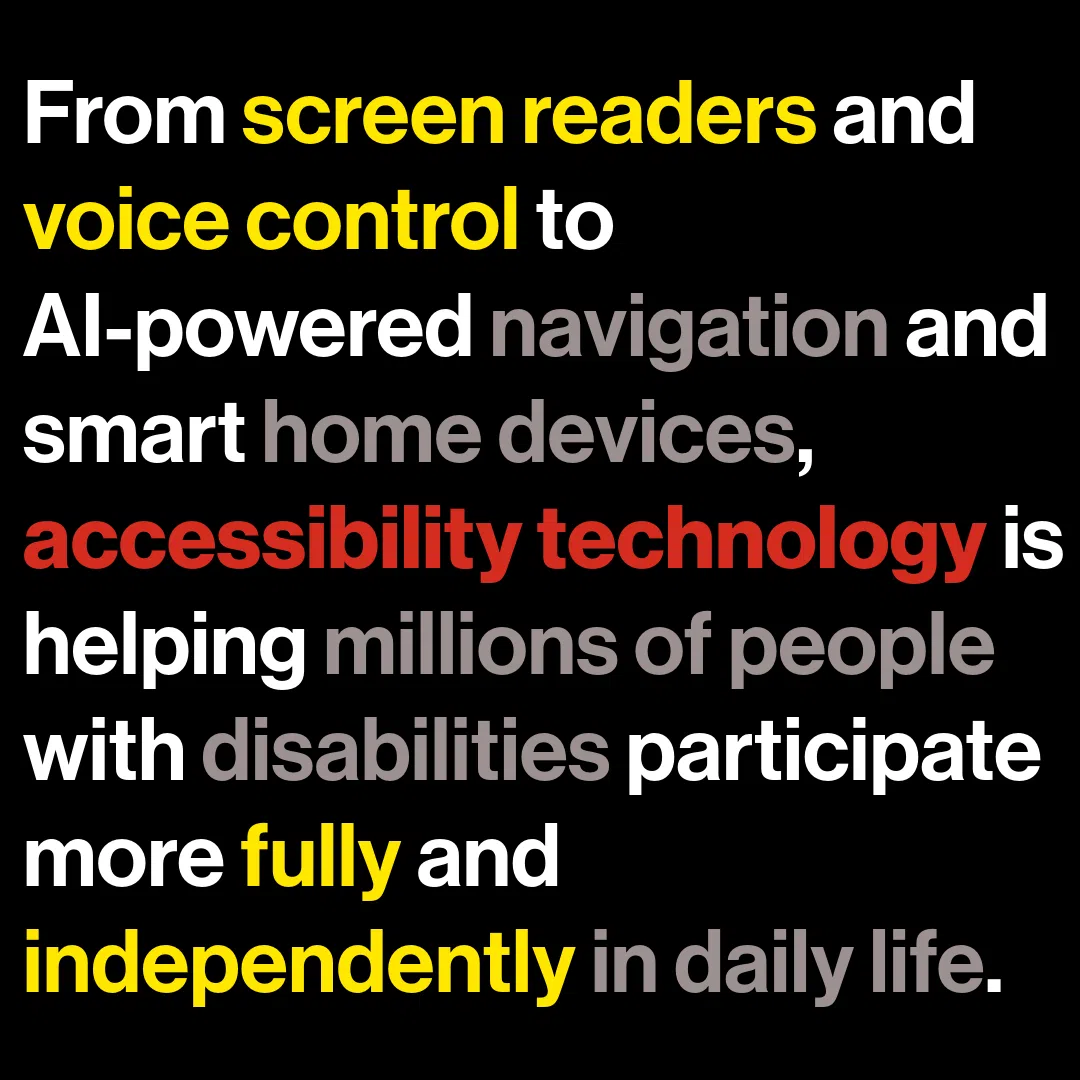
Today’s smartphones and connected wireless devices are far more than communication tools – they are powerful accessibility platforms that help people navigate the world, communicate, work, learn, and live more independently.
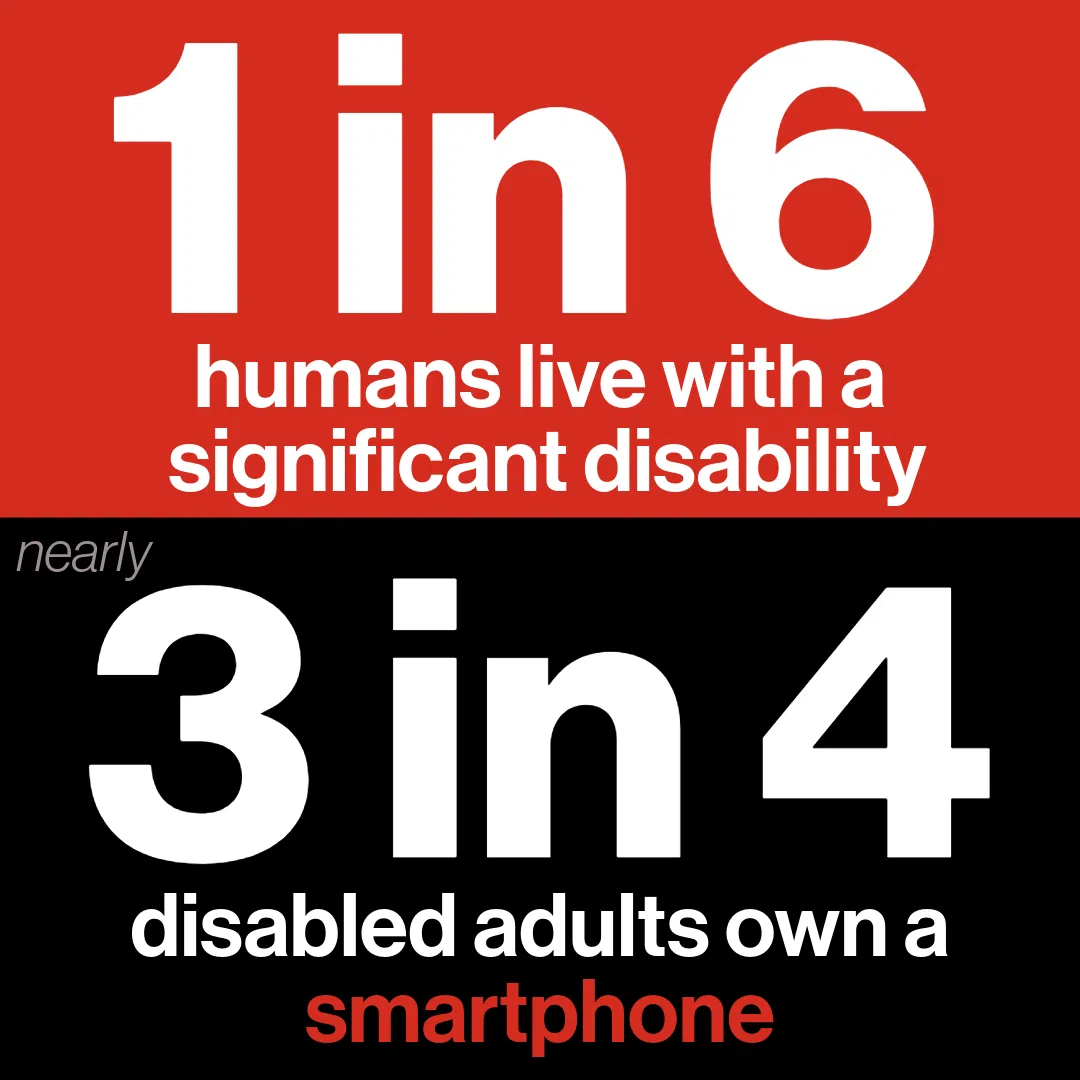
According to the World Health Organization, an estimated 1.3 billion people worldwide – roughly 1 in 6 people – live with a significant disability, making accessibility an essential component of modern technology rather than a niche feature. For one-on-one help, consult a genuinely caring Russell Cellular expert at your nearest location or by calling 1-800-221-4408.
Accessibility Built into the Devices We Use Every Day
Just a decade ago, many people with disabilities relied on expensive, specialized assistive technologies. Today, many of those capabilities are built directly into smartphones, tablets, smartwatches, and wireless earbuds.
Tip: Learn how to use your device’s built-in assistive technology at the Verizon Accessibility Resource Center.
For Individuals with Visual Impairments
Screen readers can convert on-screen content into spoken feedback, allowing users to send messages, browse the web, and access apps independently. Magnification tools, color filters, and text resizing features help users customize displays to meet their visual needs.
Most smartphones today include built-in screen readers (like Apple’s VoiceOver or Google’s TalkBack), magnification, and high-contrast color modes. Apps like Be My Eyes and Seeing AI use the camera to describe surroundings or read text aloud.
For People with Hearing Impairments
Smartphones offer real-time captioning, sound recognition, visual alerts, and seamless compatibility with hearing devices. The popularity of captions demonstrates how accessibility innovations often benefit everyone. Research shows that 80% of people who use captions do not have a hearing impairment, illustrating how features originally designed for accessibility have become mainstream tools.
For Individuals with Mobility and Dexterity Issues
Accessibility features are equally transformative. Voice control allows users to operate a device without touching the screen, while customizable gestures, switch controls, and eye-tracking technologies provide alternative ways to interact with digital content.
Switch Control allows the use of external adaptive switches, head-tracking hardware, or facial expressions to navigate. Voice Assistants like Siri or Google Assistant allow complete hands-free control of the device, reducing barriers for people with limited dexterity or other physical disabilities.
For People with Cognitive Challenges
Features like Guided Access (on iOS) lock the phone to a single app to prevent distractions or accidental purchases. Simplified launchers and picture-dialing interfaces can remove complicated menu layouts.
Smartphones are Commonplace but not Everywhere
Smartphones and tablets have become a vital access point to education, employment, healthcare, transportation, and social connection. A recent survey by the Pew Research Institute indicates 72% of adults with disabilities report owning a smartphone, demonstrating how mobile technology has become a critical gateway to digital accessibility. Clearly, there is room for growth, though – 28% of disabled adults without a smartphone means many people are not experiencing the useful features which might improve their lives in myriad ways.
While a digital divide still exists, the widespread adoption of smartphones has given millions of people access to built-in accessibility tools that previously required separate devices or specialized software. And happily, efforts are underway in both private and public sectors to diminish the gap so that smart technology is within reach of more adults and children living with disabilities.
The Ecosystem of Connected Wireless Devices is Ever-Expanding
Accessibility innovation extends far beyond the smartphone itself. Connected wireless devices have created an ecosystem that supports independence throughout the day.
Smartwatches provide discreet reminders for medication, appointments, and daily routines. They can detect falls, monitor health metrics, and alert caregivers or emergency contacts when assistance may be needed.
Wireless earbuds, headphones, and hearing-assistance technologies are also evolving rapidly. Features such as amplified conversations, customizable audio settings, and environmental sound awareness can help users better engage with the people and environments around them.
Smart home devices further demonstrate how wireless connectivity can improve accessibility. Voice assistants can control lights, thermostats, locks, and appliances through simple spoken commands. For someone with limited mobility, these capabilities can make everyday tasks significantly easier and reduce dependence on others.
Disability-Focused Apps Are Expanding Possibilities
While built-in accessibility features provide a strong foundation, disability-related apps are extending those capabilities in remarkable ways.
Communication Apps
These help individuals with speech disabilities express themselves through text-to-speech technology, symbol-based communication systems, and customizable communication boards. These tools support meaningful interactions at school, work, healthcare appointments, and social gatherings. Examples (no endorsement implied):
Vision & Sensory Support
Be My Eyes: Connects blind or low-vision users with sighted volunteers or an AI assistant via video call to read labels, navigate spaces, or identify objects.
Google Live Transcribe: Delivers real-time, highly-accurate speech-to-text transcription for people who are deaf or hard-of-hearing.
Speech & Augmentative/Alternative Communication (AAC)
Proloquo2Go: A powerful AAC app that provides customizable voice and symbol-based communication system for non-verbal individuals.
Grid for iPad: Highly adaptable software with picture scenes and core vocabulary tailored for kids, teens, and adults.
Others: TouchChat, Lamp Words for Life
Mobility & Navigation Apps
These are designed for people with visual impairments can provide detailed guidance while walking, identify landmarks, read signs, and describe surroundings using artificial intelligence. Other applications can recognize objects, identify currency, and scan printed documents, making everyday tasks more manageable. Examples (no endorsement implied):
Wheelmap: An interactive map for finding and rating wheelchair-accessible locations like restaurants and public spaces worldwide.
Passenger Assistance: Allows trains and transit travelers to request physical platform assistance, book seating, and organize journeys.
Routine and Visual Schedule Apps
Designed to aid people with cognitive disabilities, these apps can support organization, memory, and time management. Visual schedules, reminder systems, and step-by-step task guides help users maintain routines and accomplish goals with greater independence. Examples (no endorsement implied):
Choiceworks: Combines visual schedules, social stories, and waiting tools to help children understand daily routines, make choices, and manage emotions.
First Then Visual Schedule: A widely used app that helps individuals anticipate what comes next, minimizing uncertainty and stress.
Mental Health and Wellness Apps
These may also play an important role, offering tools for stress management, mindfulness, emotional regulation, and community support. Examples (no endorsement implied):
Finch: A self-care and habit-tracking app that gamifies daily tasks to help with neurodiversity, memory, and mental wellness.
Model Me Going Places: A video modeling app that walks users step-by-step through navigating locations like the grocery store, a doctor’s office, and restaurants.
SAM (Stress Autism Mate): Designed for older youths and adults to help identify stress levels throughout the day and provide personalized, self-managed coping tips.
Accessibility Benefits Everyone
One of the most important lessons from accessibility innovation is that inclusive design benefits everyone. Features originally created for people with disabilities frequently become mainstream tools. Voice assistants, speech-to-text dictation, captions, and smart-home controls are now widely used by people of all abilities.
The growing impact of assistive technology is evident in the workplace as well. Recent research cited by Microsoft found that more than 70% of consumers say assistive technology is essential to their daily work, highlighting how accessibility tools support productivity and inclusion across industries.
Looking Ahead
As artificial intelligence, wearable technology, and connected devices continue to evolve, the future of accessibility looks increasingly promising. Emerging technologies are helping devices better understand speech, interpret visual information, automate routine tasks, and provide personalized assistance tailored to individual needs.
During Disability Pride Month, it is worth celebrating not only the progress that has been made but also the people whose advocacy helped drive these innovations forward. Technology alone does not create inclusion, but thoughtfully designed smartphones, wireless devices, and accessibility-focused apps are helping remove barriers and expand opportunities in once unimaginable ways.
The result is greater independence, stronger participation in education and employment, improved access to information, and more meaningful connections with the world. That is something worth celebrating – not just during Disability Pride Month, but every day of the year.
__________________________________________________________________________________
Take Action This Disability Pride Month
Disability Pride Month is more than a celebration – it is a reminder that accessibility and inclusion require ongoing commitment from individuals, organizations, and communities. While smartphones, connected devices, and accessibility-focused apps have expanded opportunities for millions of people, creating a truly inclusive world depends on awareness, advocacy, and action.
Here are a few ways to get involved:
- Explore accessibility features on your own devices.
Take time to learn about screen readers, voice control, live captions, magnification tools, and other built-in capabilities. Understanding these features can help you better support colleagues, friends, family members, and customers. - Design with accessibility in mind.
Whether you create content, websites, presentations, or digital experiences, make accessibility a priority from the start. Small changes – such as adding image descriptions, captions, and accessible document formatting – can make a significant difference. - Support disability-inclusive innovation.
Encourage organizations and technology providers to continue investing in accessible products and services that meet the needs of people with diverse abilities. - Listen to lived experiences.
Follow disability advocates, engage with Disability Pride Month events, and learn directly from individuals who use accessibility technologies every day. - Share resources and raise awareness.
Highlight the accessibility features and apps that make a difference in people’s lives. The more awareness grows, the more inclusive technology becomes.
This Disability Pride Month, celebrate the hard-won progress while recognizing the work that remains. By embracing accessibility, we can help ensure that technology continues to empower people of all abilities to connect, contribute, and thrive.
#DisabilityPride #TheWorldWorksBetterWithUs #Accessibility #InclusiveTechnology #Smartphones #ConnectedDevices #AssistiveTechnology #RussellCellular #InnovationForAll
Read more RC blog articles.