

“The best way to find yourself is to lose yourself in the service of others.” – Mahatma Gandhi
We find what we need in the service of others

Ever felt out of sorts and lost in what to do next? Maybe you’re stressed, overwhelmed, anxious, and unsure about the next right thing. Perhaps you’re feeling stuck in the past regarding what was and wasn’t done or should or shouldn’t have happened. You’re in fear of moving forward because the uncertainty seems to involve a significant risk. Additionally, while you’re in some adversity and hardship, you’re remembering the time or two you fell short.
The Power of Serving Others
Given these challenges, my advice to leaders, team members, mentees, cohorts, and friends, when they are in the midst of any of these mental, physical, emotional, or spiritual perspectives, is to use this default behavior…serve and help someone else. Doing so for nothing in return, and for no other reason than a genuine desire to put someone else’s needs ahead of your own, to simply serve others. Nothing will ever be guaranteed, except maybe taking the focus off ourselves and placing it on someone else. A self-less posture where we get what we give away. In fact, I love what Gandhi said, “The best way to find yourself is to lose yourself in the service of others.”
Self-Centeredness vs. Service
We all have an ego, and with that comes degrees of self-centeredness, self-will, self-concern, and overall selfishness. It is not that hard to be driven by self-seeking motives. It’s a pretty natural drive. For some, it can be excessive to the point that what they need supersedes any aspect of the needs of others. For example, how many of you can immediately think of “that manager” whose only concern was how everything needed to benefit them? Typically followed by how that would be best achieved regardless of who got in the way or whoever was obliged to deliver.
Contrasting Leadership Styles
Consider “that one leader” who made us the focus and center of their attention. Most, if not all, of their energy, effort, and enthusiasm were focused squarely on us – on how we win, succeed, move forward, grow, and come out ahead. How do the two differ? Examining the behaviors, what stands out in each approach?
What does service look like?
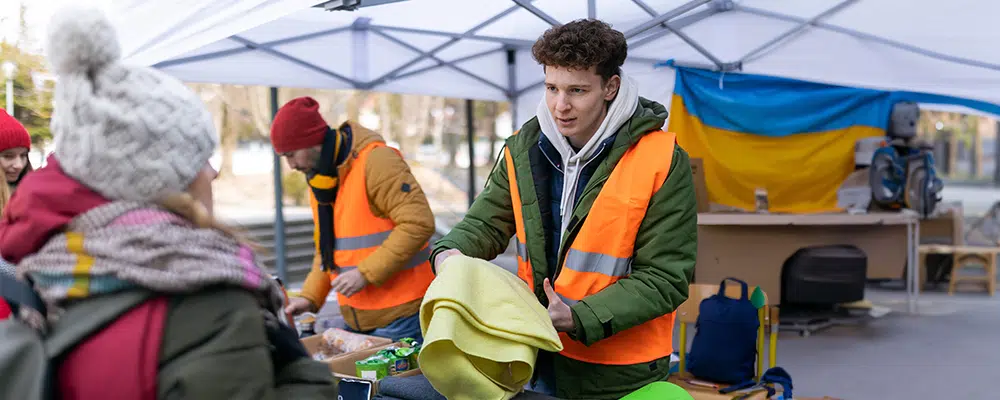
It starts first with a mindset, not just a heart for serving someone else. It’s a wholehearted belief that it matters, followed by a full-fledged intentionality to act. Some of the considerations may be an awareness of others, like looking for specific moments in the day to check in with others to see how they’re doing and ask if they need anything. It’s actively seeking ways and means to help people do what they do. It’s the cultivation of an others-first mentality.
Thinking it is one thing, doing it is another. The second aspect represents the hands and feet, or the action of living it out. Considerations for this can be seeing someone who needs some help, support, or a specific “helping hand” and then providing it. It’s delivering whatever is required or requested. I found it is best served without a need for reciprocity or “this for that” reward or validation. Serving is simply the right thing to do, and that’s enough.
I have also found importance and purpose in the third part, which is the follow-up. To check back in and see how it’s going. This demonstrates true and authentic concern, dedication, and even empathy. To be fair, not all situations flow into a follow up opportunity. Sometimes, it was a moment that just happened. I contend that if you are able and it makes sense, re-engage the other person and see how things worked out. Show them that the encouragement and support were genuine by celebrating what they did and how they did it.
Where do I apply it?

Two professional perspectives immediately come to mind. One is leadership, specifically servant leadership, where a leader prioritizes the growth, development, well-being, and empowerment of the team they represent. It is a commitment and stewardship of putting others first and ensuring the needs of others, as best captured in the book title by Simon Sinek, Leaders Eat Last. Ultimately, it is a belief that the success of the leader is intrinsically tied to the success of those who they lead, so put them first.
Another is serving one another within a team dynamic. Call it peer-to-peer or cohort service. This represents a side-by-side mentality, where teams are not only in “this” together but are naturally better together when they serve one another. They provide aid, collaboration, and encouragement…from one team member to another where all within the group can be and are typically unified in a mission to do something specific. Like-minded people are unified in purpose and help one another get it done.
Every day allows us to focus on and give of ourselves for the benefit of someone else. These include things like opening the door, lending a helping hand, or donating time and treasure to another person, family, or community. Whether it’s the ear that listens, a shoulder to cry on, or arms that can carry a load, we have a choice in how we are present in the lives of the people around us. So, which choices will you make today?
Muhammad Ali said it best…” Service to others is the rent you pay for your room here on earth.”
I challenge you in how you see and experience service in answering the questions below.
Questions to take away and consider:
- In what way do you define service or serving others?
- Consider How is service or serving others present in your professional and personal life?
- What are some ways you have seen others being served?
- Why would someone not have a mindset for service or to serve the people around them?
- Reflect on the real motives you have when serving others?
- How would you describe the best kind of service?
- What is a way you can serve someone else today?
Want to learn more perspectives about growth and leadership? Visit our podcast or visit one of our locations.