The only thing you have to fear is fear itself. And public speaking.
I heard once that the greatest fear in the world is public speaking. Followed by spiders and snakes, and then death. Interesting. Based on this sequence, we would rather be in the casket covered in spiders and snakes than give the eulogy.
It is logical to assume that fear is learned. We aren’t born with it. As a child, we grow into experience and, along the way, we manufacture our fear. We label it and then assign a degree of influence when it shows within our lives. At some point, we develop an ongoing rational or irrational momentary emotional response to a person, place, thing, or situation. Consider then, do we fear a thing or do we fear being afraid?
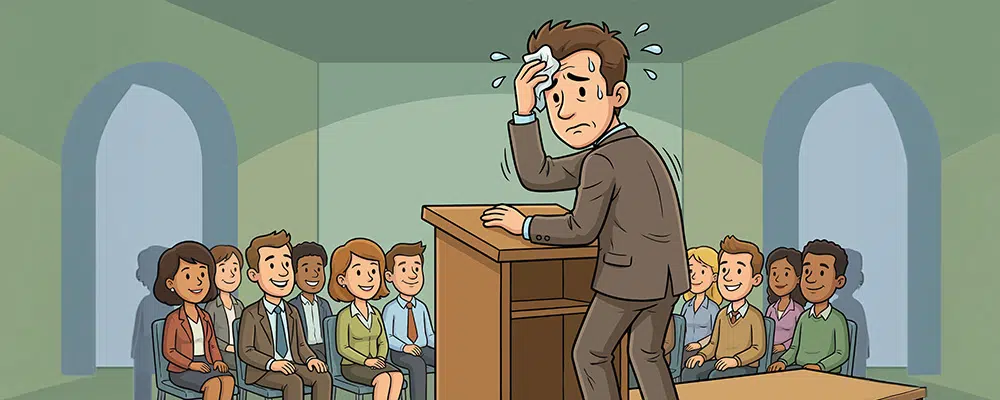
Any fear is always worse than the thing itself.
That’s the big “aha” (a.k.a. take-away) regarding fear. Fear can absolutely get the better of us. Ah, but is it really fear or is it a phobia? They’re not the same thing. Fear is a rational, temporary emotional response to real or immediate danger in the moment. Whereas a phobia is an intense, irrational, and persistent fear of a specific object or situation disproportionate to the actual danger and can be felt at any time.
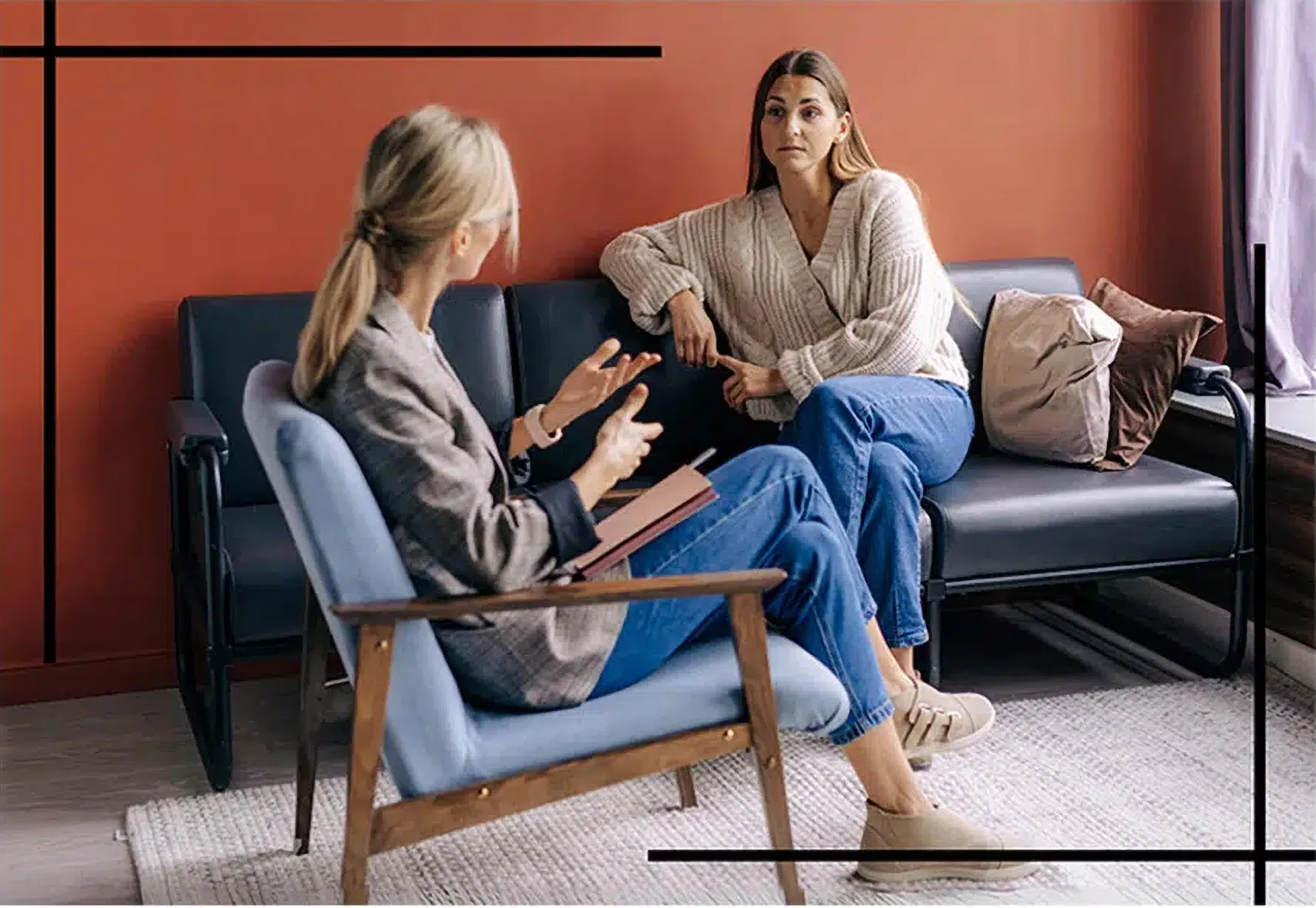
Think about when we are working with customers or team members, are we afraid of people, or are we fearful and anxious when we interact with others? One is Anthropophobia, the intense, irrational, and persistent fear of people often manifesting as extreme social anxiety, and the other is conversational anxiety. The latter is very common and activated because we fear judgment, criticism, and not meeting our potential. In addition, we can fear failure. We may fear when we lack confidence, and we usually fear not having control. We can have a fear of the unknown, uncertain, and the unexpected. We doubt ourselves, and that creates fear. The list goes on. But…what would be possible if we had no fear?
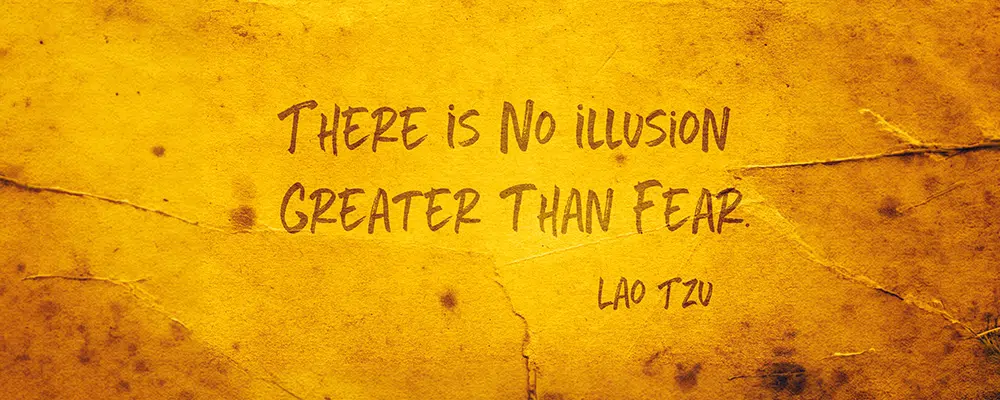
The only thing worse than fear is regret.
Regret for lost opportunities. Let’s be real, no one likes fear or feeling afraid, and yet its very existence reminds us we are not only alive, but in the game. Fear opens the door to experience, resiliency, and creativity which stimulates us to make the most out of opportunities.
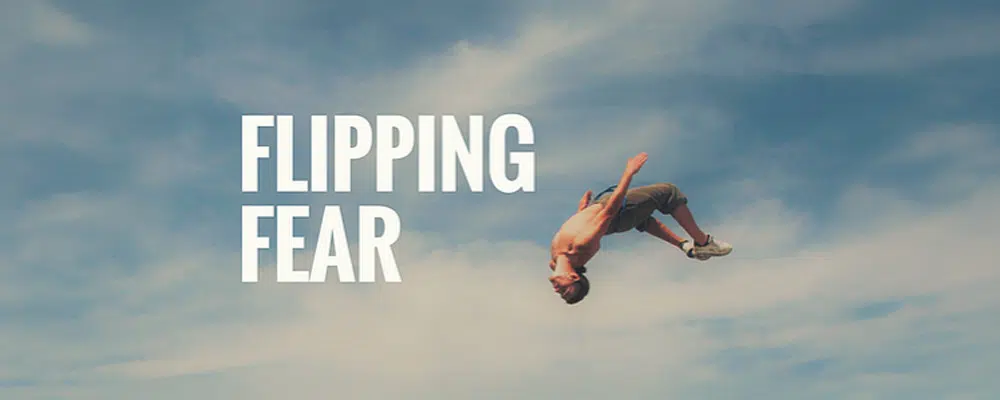
So, how do we flip the fear factor?
First off, name it. Recognize when it occurs, identify the triggers, and go deep for the root cause. After that, ask if “the fear” is truly based on facts or just some false narrative we’ve made part of our story. Then, shift the perspective. Focus on reframing fear as a growth opportunity. And then, most importantly, act even when feeling it. Don’t get stuck. Keep moving. Use fear. Learn from it and let it refine you. Remember, courage is not acting without fear, it’s acting in spite of it, in the midst of it.
Fear is a messenger, not a prophet
I wholeheartedly believe that fear should be treated as a signal rather than a prediction. The former highlights something to pay attention to while the latter shapes an outlook for the future. Fear stimulates our awareness in a moment and brings with it a message that needs to be unpacked. More times than not, we can tend to see it as something that creates a focus on the future…and we can feel afraid. The thing is that fear is not a “prophet” because it does not, with 100% accuracy, tell the future.
When we engage in our day, we need to acknowledge that fear is a message for us to pay attention. To not lose sight or focus on what’s important. Even in spite of our fear. And to pay attention to what we have going on inside us and all the stuff outside of us that can shape our decisions. Just because we are afraid doesn’t mean we will “undoubtedly” fail and not accomplish great things.
From what I have learned over time, fear is a detour, not a dead end. So, embrace fear. Because there’s fear in a moment, and fear of a future. One provokes action and the other promotes getting stuck. Where will fear lead you when you face it? Not if… but when.
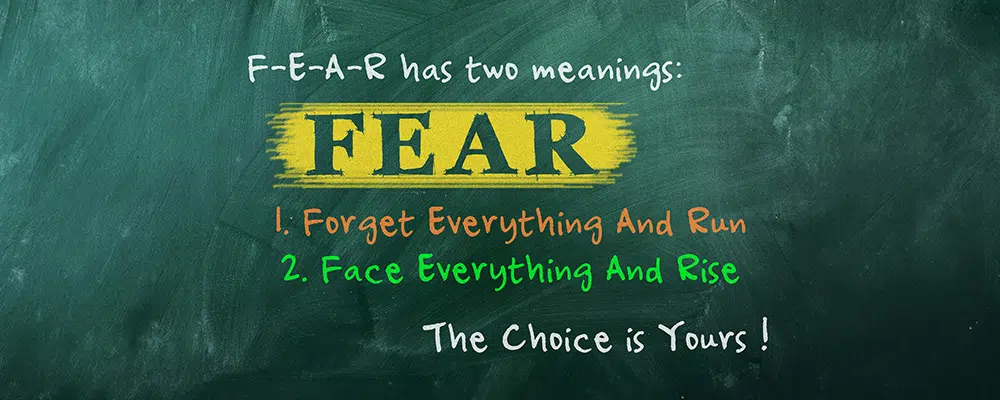
If you’re interested in embracing fear and letting it refine you, consider the following questions.
- Define fear.
- When it shows up, what does it look like – sound like – feel like?
- Where does it typically show up?
- What are the triggers?
- Does it manifest with specific people, places, things, or situations? Why?
- What needs to happen to change the face of fear?
- Think of a time when fear changed you for the better. What happened?
- What’s possible if you had no fear?
Want to read more? Read our other Blog Posts!